
Anúncios
# HTML Article: Pregnancy Test Apps – What They Are, How They Work, and What to Expect
Pregnancy test apps have become increasingly popular among women seeking quick answers about a possible pregnancy from the comfort of their smartphones.
Anúncios
In today’s digital age, there’s an app for almost everything—including tracking fertility, predicting ovulation, and even attempting to determine pregnancy likelihood. While these apps cannot replace medical-grade pregnancy tests or a doctor’s confirmation, they serve as helpful tools for women who want to monitor their cycles, symptoms, and fertility windows more closely.
Understanding how these apps work, what features they offer, and their limitations is essential before relying on them for such an important question. Let’s dive into everything you need to know about pregnancy test apps and how they fit into your reproductive health journey. 🤰
Anúncios
📱 What Exactly Is a Pregnancy Test App?
A pregnancy test app is a mobile application designed to help women track menstrual cycles, ovulation periods, symptoms, and other fertility-related data. Some apps claim to predict pregnancy likelihood based on user inputs such as cycle length, symptoms, and intimate activity dates.
These apps do not actually test for pregnancy in a clinical sense. Instead, they use algorithms and statistical models to estimate the probability of conception based on the information you provide. Think of them as personal assistants that organize your fertility data and offer insights based on typical pregnancy signs and timing.
Most pregnancy test apps include features like period trackers, ovulation calendars, symptom logs, and educational content about early pregnancy signs. Some even offer community forums where users can share experiences and ask questions.
🔍 How Do Pregnancy Test Apps Work?
Pregnancy test apps rely on data input from the user. The more accurate and consistent your entries, the better the app can estimate your fertility window and potential pregnancy status.
Key Data Points These Apps Track:
- Menstrual cycle length: Tracking the start and end dates of your period helps the app predict ovulation.
- Ovulation symptoms: Changes in cervical mucus, basal body temperature, or ovulation test results.
- Sexual activity: Logging intercourse dates helps the app calculate conception probability.
- Pregnancy symptoms: Nausea, fatigue, breast tenderness, and other early signs.
- Test results: Some apps allow you to log home pregnancy test results for tracking purposes.
Based on this information, the app uses algorithms to estimate your fertile days and the likelihood of pregnancy. Some apps also send reminders about when to take a pregnancy test for the most accurate results.
✨ Top Features to Look for in a Pregnancy Test App
Not all pregnancy test apps are created equal. If you’re considering downloading one, here are some features that can make your experience more useful and informative:
🗓️ Accurate Cycle Tracking
The foundation of any good fertility app is precise menstrual cycle tracking. Look for apps that allow you to log irregular cycles and adjust predictions accordingly.
📊 Ovulation Predictions
Understanding when you ovulate is key to determining your most fertile days. Apps that use multiple data points—like basal body temperature and cervical mucus—tend to be more accurate.
📝 Symptom Logging
Being able to record daily symptoms such as cramping, mood changes, or nausea helps you recognize patterns and early pregnancy signs.
🔔 Reminders and Notifications
Helpful alerts remind you to log data, take ovulation tests, or check for pregnancy at the optimal time.
📚 Educational Content
Quality apps offer articles, videos, and tips about fertility, pregnancy, and reproductive health.
🤝 Community Support
Access to forums or groups where women share their journeys can provide emotional support and practical advice.

🧪 Can a Pregnancy Test App Replace a Real Pregnancy Test?
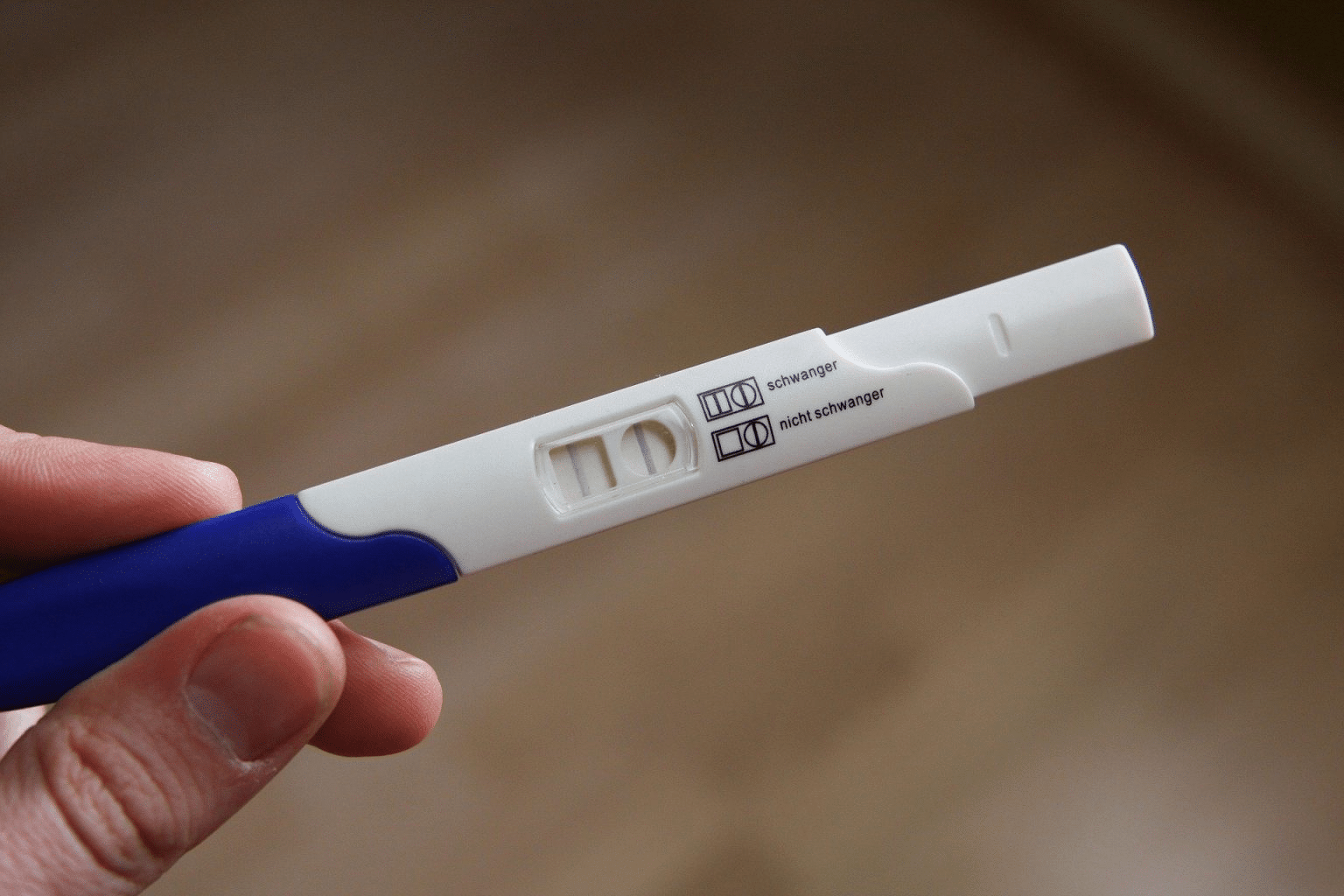
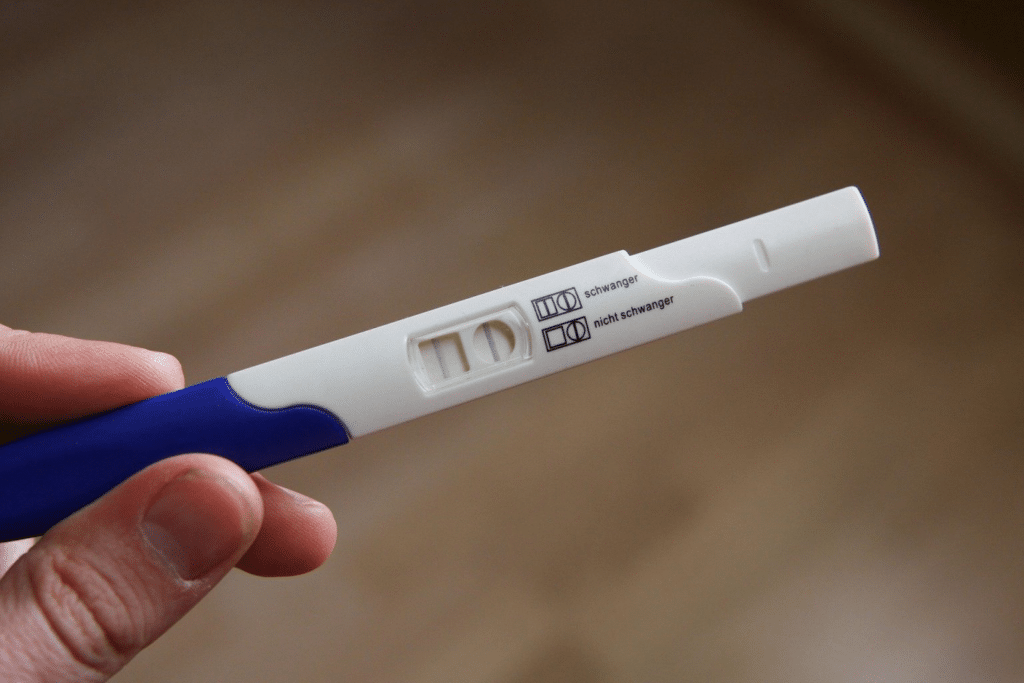
This is the million-dollar question. The short answer is: no. Pregnancy test apps cannot replace actual pregnancy tests, whether home urine tests or blood tests administered by a healthcare provider.
Here’s why: pregnancy tests detect the presence of human chorionic gonadotropin (hCG), a hormone produced after a fertilized egg implants in the uterus. Apps cannot measure hCG levels—they can only estimate pregnancy likelihood based on patterns and symptoms.
When to Take a Real Pregnancy Test
For the most accurate results, take a home pregnancy test after you’ve missed your period. Testing too early can result in a false negative because hCG levels may not yet be high enough to detect.
If you receive a positive result on a home test or continue experiencing pregnancy symptoms, schedule an appointment with your doctor for confirmation and prenatal care.
🌟 Benefits of Using a Pregnancy Test App
Even though these apps can’t replace clinical tests, they offer several valuable benefits:
- Better cycle awareness: Understanding your body’s patterns empowers you to make informed decisions about your health.
- Optimized conception timing: Knowing your fertile window increases your chances of conceiving if you’re trying to get pregnant.
- Early symptom recognition: Tracking symptoms helps you identify potential pregnancy signs sooner.
- Convenient and private: Apps offer a discreet way to monitor your reproductive health from your phone.
- Data for your doctor: Detailed cycle and symptom logs can be helpful during medical appointments.
⚠️ Limitations and Risks to Be Aware Of
While pregnancy test apps can be helpful, it’s important to understand their limitations:
❌ Not Medically Accurate
Apps cannot diagnose pregnancy. They provide estimates, not confirmations. Always verify with a medical test.
❌ Potential for False Hope or Anxiety
Relying too heavily on an app’s predictions can lead to unnecessary stress or disappointment. Remember that every woman’s cycle is unique.
❌ Privacy Concerns
Some apps collect sensitive health data. Make sure you choose apps with strong privacy policies and data encryption.
❌ Algorithm Limitations
Apps work best for women with regular cycles. If you have irregular periods or health conditions affecting fertility, predictions may be less reliable.
👩⚕️ When Should You See a Doctor?
If you suspect you’re pregnant, experiencing unusual symptoms, or have been trying to conceive for several months without success, consult a healthcare professional. A doctor can provide accurate testing, prenatal care, and fertility guidance that no app can replace.
Additionally, if you have irregular cycles, severe menstrual pain, or other reproductive health concerns, medical evaluation is essential.
🧘♀️ Using Apps as Part of a Holistic Approach
Pregnancy test apps work best when combined with other healthy practices. Maintain a balanced diet, exercise regularly, manage stress, and get adequate sleep. These lifestyle factors significantly impact fertility and overall reproductive health.
Consider using the app alongside basal body temperature tracking, ovulation predictor kits, and regular check-ups with your gynecologist. This comprehensive approach gives you the most complete picture of your fertility and health.
💡 Tips for Getting the Most Out of Your Pregnancy Test App
- Be consistent: Log your data daily for the most accurate predictions.
- Input accurate information: Honest and precise entries improve algorithm reliability.
- Track multiple symptoms: The more data points you provide, the better the insights.
- Use reminders: Set notifications so you don’t forget to update your information.
- Review patterns: Regularly check your cycle history to identify trends.
- Stay realistic: Remember that apps provide estimates, not medical diagnoses.
🌈 Real Stories: How Women Use Pregnancy Test Apps
Many women find pregnancy test apps invaluable during their fertility journeys. Some use them to plan conception by identifying their most fertile days. Others appreciate the symptom tracking features that help them recognize early pregnancy signs.
Women with irregular cycles often use these apps to better understand their bodies and bring detailed records to their doctors. And for those navigating the emotional ups and downs of trying to conceive, the community features provide much-needed support and encouragement.
🎯 Final Thoughts: Are Pregnancy Test Apps Worth It?
Pregnancy test apps can be useful tools for tracking fertility, understanding your cycle, and recognizing early pregnancy symptoms. They offer convenience, educational resources, and valuable insights into your reproductive health.
However, they should never replace medical-grade pregnancy tests or professional healthcare advice. Use them as complementary tools—not definitive answers.
If you’re trying to conceive, monitoring your health, or simply curious about your cycle, a quality pregnancy test app can be a helpful companion on your journey. Just remember to verify any pregnancy suspicions with an actual test and consult your doctor for personalized care. 💕
By combining technology with medical guidance and self-awareness, you can take control of your reproductive health and make informed decisions every step of the way. Whether you’re planning for pregnancy or simply want to understand your body better, these apps offer a modern, accessible way to stay connected to your fertility and wellbeing.