
Anúncios
Fishing has evolved beyond traditional tools, and today, your smartphone can become a powerful fish finder with the right sonar technology at your fingertips.


Modern anglers are discovering that integrating technology with traditional fishing methods dramatically improves their success rates. Mobile fish finders have transformed how we approach fishing, making sonar technology accessible without requiring expensive standalone devices.
Anúncios
Whether you’re a weekend warrior or a seasoned angler, understanding how mobile sonar works can elevate your fishing experience. These innovative tools combine GPS, mapping, weather data, and actual underwater imaging to give you an edge on the water.
🎣 How Mobile Fishing Sonar Actually Works
Mobile fishing sonar operates through two primary methods: standalone apps that use your phone’s capabilities, or physical sonar devices that connect wirelessly to your smartphone. The technology behind these systems is surprisingly sophisticated yet user-friendly.
Anúncios
Traditional sonar devices required dedicated screens and complex wiring systems. Today’s mobile solutions utilize Bluetooth or Wi-Fi connectivity to transmit real-time underwater data directly to your device. The sonar transducer sends sound waves into the water, which bounce off objects like fish, structures, and the bottom terrain.
When these sound waves return to the sensor, the system calculates depth, distance, and size based on the time taken and signal strength. Your smartphone then processes this information and displays it in an easy-to-read format with colorful graphics and intuitive interfaces.
Understanding Sonar Frequencies
Most mobile sonar devices operate on specific frequencies that determine their effectiveness. Lower frequencies like 50-80 kHz penetrate deeper waters but offer less detail, while higher frequencies around 200 kHz provide exceptional detail in shallow areas.
Many modern castable sonars use dual-frequency technology, automatically switching between ranges to optimize performance. This adaptability ensures you get quality readings whether you’re fishing in a shallow creek or a deep reservoir.
📱 Types of Mobile Fishing Sonar Solutions
The market offers several distinct categories of mobile fishing sonar, each designed for different fishing styles and budgets. Understanding these options helps you choose the right technology for your needs.
Castable Sonar Devices
These floating ball-shaped devices can be cast like a fishing lure. Once in the water, they transmit sonar data back to your phone within a specific range, typically 100-300 feet. They’re perfect for shore fishing or kayaking where traditional mounted transducers aren’t practical.
Popular models include the Deeper series and Garmin Striker Cast, which offer impressive battery life and detailed imaging. The portability factor makes them incredibly versatile for anglers who fish multiple locations.
Mounted Transducer Systems
For boat owners, mounted systems attach to your vessel and provide continuous scanning while you navigate. These offer the most stable and consistent readings, similar to traditional fish finders but connected wirelessly to your mobile device.
The advantage here is eliminating bulky console installations while maintaining professional-grade sonar capabilities. You can mount them temporarily or permanently, depending on your boat setup.
App-Based Sonar Technology
Some applications leverage your phone’s existing hardware combined with community data, bathymetric maps, and predictive algorithms. While they don’t provide real-time sonar imaging, they offer valuable fishing intelligence based on aggregated user data and environmental conditions.
These apps excel at showing you where other anglers are catching fish, optimal fishing times, and detailed lake maps with depth contours. They’re excellent supplements to physical sonar devices.

🌊 Key Features That Matter Most
When evaluating mobile sonar options, certain features significantly impact your fishing success. Knowing what to prioritize saves money and frustration.
Depth Range and Accuracy
Entry-level devices typically scan up to 130 feet, while premium models reach 250-300 feet. Consider the depths you typically fish. Most freshwater scenarios rarely exceed 100 feet, making mid-range devices perfectly adequate.
Accuracy matters more than maximum depth. Look for devices with precision ratings within 1-2 inches, ensuring you’re getting reliable bottom composition and fish location data.
Mapping and GPS Integration
Advanced sonar apps create bathymetric maps as you fish, building a personal database of your favorite spots. GPS waypoint marking lets you return to productive structures and dropoffs with pinpoint accuracy.
This feature transforms your fishing knowledge over time, creating invaluable historical data about seasonal patterns and productive zones.
Weather and Environmental Data
Integrated weather forecasting, moon phases, barometric pressure, and water temperature readings help predict fish behavior. These environmental factors dramatically influence feeding patterns and location preferences.
The best fishing apps combine this atmospheric data with sonar information, providing comprehensive fishing intelligence that goes beyond simple fish detection.
🔋 Battery Life and Connectivity Considerations
Nothing’s more frustrating than your sonar dying mid-fishing trip. Most quality castable devices offer 5-6 hours of continuous operation, with some premium models lasting up to 15 hours.
Bluetooth connectivity typically consumes less battery than Wi-Fi, though Wi-Fi often provides longer transmission ranges. Consider bringing a portable charger for extended trips, especially since your phone will also drain faster when constantly receiving sonar data.
Connection stability varies by model and environmental factors. Metal boats, heavy vegetation, and electromagnetic interference can disrupt signals. Quality devices minimize these issues through advanced antenna technology and signal processing.
🎯 Reading Sonar Data Like a Professional
Owning sonar technology is one thing; interpreting the data effectively is another. Learning to read sonar displays transforms random marks into actionable fishing intelligence.
Identifying Fish Arches and Marks
Fish appear as arches or horizontal lines depending on your speed and their movement. Larger, thicker marks indicate bigger fish, while clustered small marks suggest baitfish schools. The density and color intensity also reveal fish size.
Suspended marks in open water typically indicate active, feeding fish, while bottom-hugging marks suggest inactive or resting fish. Adjust your presentation and approach accordingly.
Understanding Bottom Composition
Hard bottoms like rock and gravel appear as thick, bright lines with sharp definition. Soft bottoms like mud and silt show thinner, fuzzier returns. These differences matter because certain species prefer specific substrates.
Vegetation appears as vertical columns rising from the bottom. Edge transitions between hard and soft bottoms or vegetation lines are prime ambush points for predatory fish.
Structure and Cover Recognition
Submerged trees, stumps, and brush piles create distinct sonar signatures. Learning these patterns helps you target productive areas efficiently. Drop-offs, points, and underwater humps stand out clearly on quality displays.
Spend time studying your sonar in known areas to calibrate your interpretation skills before relying on it in unfamiliar waters.
💰 Cost Versus Value Analysis
Mobile sonar devices range from under $100 to over $500. Budget options provide basic depth readings and fish marks, perfect for casual anglers exploring the technology.
Mid-range devices ($150-$250) offer excellent imaging quality, GPS mapping, and reliable connectivity. These represent the sweet spot for serious recreational anglers who fish regularly.
Premium models exceed $300 and include advanced features like down imaging, side scanning, ice fishing modes, and extended battery life. Professional guides and tournament anglers justify these investments through improved catch rates.
Consider your fishing frequency and style. Weekend anglers fishing familiar waters need less sophisticated systems than those exploring new locations regularly or targeting specific species.
🌟 Maximizing Your Mobile Sonar Experience
Getting the most from your investment requires proper technique and maintenance. Start by calibrating your device according to manufacturer specifications for your fishing environment.
Optimal Casting and Positioning
For castable units, aim for smooth, controlled casts that minimize splash. Harsh impacts can damage internal components. Allow the device to stabilize for 5-10 seconds before expecting clear readings.
When trolling with mounted systems, maintain consistent speeds between 1-3 mph for clearest imaging. Faster speeds compress the sonar cone, reducing detail and fish detection capabilities.
App Settings and Customization
Experiment with sensitivity settings. Higher sensitivity shows more detail but increases clutter and noise. Lower settings provide cleaner displays but might miss subtle targets.
Adjust color palettes and display modes based on lighting conditions. High-contrast modes work better in bright sunlight, while standard colors are easier to read in shade or overcast conditions.
Regular Maintenance Tips
Rinse your sonar device with fresh water after each use, especially in saltwater environments. Store it in a protective case away from extreme temperatures. Check firmware updates regularly for improved performance and new features.
Clean transducer surfaces gently to prevent scratches that degrade signal quality. Replace batteries during off-season storage to prevent corrosion damage.
🏆 Real-World Applications for Different Fishing Styles
Mobile sonar adapts to virtually any fishing approach, from bank fishing to offshore trolling. Understanding application-specific techniques enhances effectiveness.
Bank and Shore Fishing
Castable sonar excels here, letting you scan areas beyond your visual range. Map underwater channels, drop-offs, and structure from shore before making your first cast. This reconnaissance saves time and increases hookup percentages.
Walk the shoreline while periodically casting your sonar to different depths, building a mental map of the underwater terrain and fish locations.
Kayak and Small Boat Applications
Both castable and mounted systems work perfectly in kayaks. Mounted units provide continuous scanning while you paddle, though castable devices offer more flexibility for targeting specific areas.
The portability and lack of installation requirements make mobile sonar ideal for kayak anglers who prioritize minimal gear and quick setup times.
Ice Fishing Advantages
Many mobile sonar devices include ice fishing modes that display vertical presentations perfect for looking directly beneath your hole. This real-time feedback shows fish reactions to your lure, dramatically improving success rates.
The portability lets you quickly check multiple holes, identifying active fish before committing to extended sessions in one spot.
📊 Comparing Popular Mobile Sonar Apps and Devices
Several major brands dominate the mobile fishing sonar market, each with distinct strengths. Deeper offers excellent castable options with strong app integration and community features. Their Pro+ model provides exceptional imaging quality.
Garmin Striker Cast brings the company’s legendary fish finder reputation to the mobile space, offering reliable performance and intuitive interfaces. Their ecosystem integrates well with other Garmin outdoor products.
Lucky and ReelSonar provide budget-friendly entry points with surprising capability for their price points. While lacking some premium features, they introduce newcomers to sonar technology affordably.
On the app-only side, platforms like Fishbrain combine social networking with fishing intelligence, creating vast databases of catch locations, effective techniques, and real-time condition reports from active anglers worldwide.
🌍 Environmental Factors Affecting Sonar Performance
Water clarity, temperature stratification, and bottom composition all influence sonar effectiveness. Murky water doesn’t affect sonar like it does vision, but suspended particles can create noise in the readings.
Thermoclines—temperature layers in deeper waters—sometimes appear as horizontal bands on sonar displays. Fish often suspend at these depth transitions, making them critical zones to target.
Wind and surface chop create surface clutter that can interfere with shallow readings. Calm conditions produce cleaner data, though modern signal processing minimizes these issues significantly.
🔮 Future Developments in Mobile Fishing Technology
Artificial intelligence integration represents the next frontier, with upcoming systems that automatically identify fish species, predict optimal fishing times, and suggest effective techniques based on conditions.
Augmented reality overlays may soon project sonar data onto your field of vision through smart glasses, keeping your eyes on the water while accessing real-time information.
Community-powered data networks continue expanding, creating increasingly accurate predictive models about fish behavior, location patterns, and seasonal movements across thousands of water bodies.
🎓 Learning Resources and Community Support
Manufacturer websites offer comprehensive tutorials, video guides, and troubleshooting resources. Take advantage of these materials to accelerate your learning curve and unlock advanced features.
Online fishing communities and forums provide peer support, sharing tips, techniques, and real-world experiences. YouTube channels dedicated to fishing technology offer visual demonstrations that clarify complex concepts.
Consider joining local fishing clubs or online groups focused on tech-assisted angling. The collective knowledge within these communities proves invaluable for optimizing your mobile sonar system.
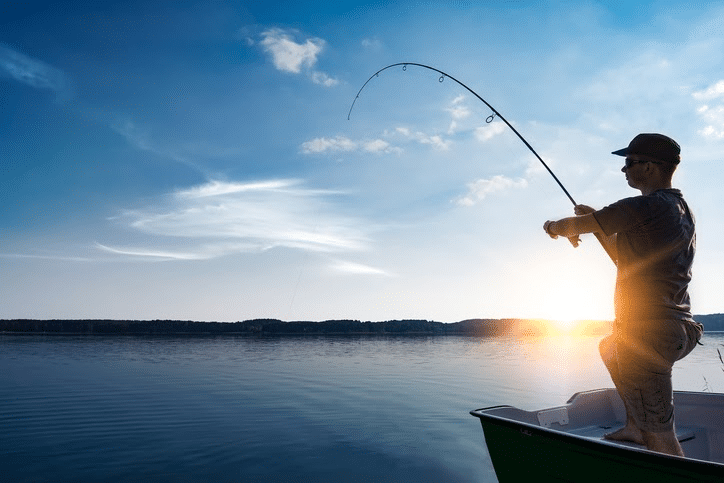
✨ Transforming Your Fishing Success With Mobile Sonar
Mobile fishing sonar democratizes technology that was once exclusive to serious tournament anglers and professional guides. For a reasonable investment, you gain insights that significantly improve your understanding of underwater environments.
The learning curve is gentle, especially compared to traditional standalone fish finders. Intuitive smartphone interfaces make navigation effortless, while helpful tutorials guide you through advanced features at your own pace.
Start simple by focusing on depth readings and obvious fish marks. As your confidence grows, explore mapping features, waypoint marking, and environmental data integration. Each fishing trip builds your sonar interpretation skills.
Remember that technology enhances rather than replaces fundamental fishing knowledge. Sonar shows you where fish are and what the bottom looks like, but understanding fish behavior, seasonal patterns, and proper presentation techniques remain essential.
The combination of traditional angling wisdom with modern mobile sonar creates a powerful advantage that consistently puts more fish in the boat. Your smartphone truly can become one of your most valuable fishing tools, providing insights that would otherwise require years of experience to develop.
Whether you’re targeting bass in farm ponds, walleye in reservoirs, or panfish through the ice, mobile sonar technology gives you the underwater vision needed to fish smarter, not just harder. The investment pays dividends every time you hit the water with confidence about where to cast and what to expect beneath the surface.
