
Anúncios
As the cold winds sweep across the United States during winter, there’s nothing quite like wrapping your hands around a warm cup of tea to chase away the chill.


Winter in America brings more than just snowy landscapes and cozy nights by the fireplace. It’s a season that calls for comforting rituals, and few things are as soothing as enjoying a steaming cup of tea. Whether you’re battling the frigid temperatures of the Northeast, the damp Pacific Northwest winters, or the unpredictable cold snaps in the South, the right tea can warm you from the inside out.
Anúncios
From traditional black teas to exotic herbal blends, the world of warming teas offers endless possibilities for those seeking comfort during the coldest months. Each variety brings its own unique flavor profile and health benefits, making tea not just a beverage but a holistic experience that nurtures both body and soul. Let’s explore the most warming teas that will become your trusted companions throughout the American winter season. ☕
Classic Black Teas That Pack a Warming Punch
Black tea stands as the ultimate winter warrior in the tea world. Its robust flavor and full-bodied nature make it the perfect foundation for a warming beverage. The oxidation process that black tea undergoes creates compounds that not only deliver rich taste but also provide a gentle energy boost that helps combat winter lethargy.
Anúncios
English Breakfast tea remains a timeless choice for cold mornings. This blend typically combines Assam, Ceylon, and Kenyan teas to create a malty, brisk flavor that pairs beautifully with milk and honey. The caffeine content provides alertness without the jitters, making it ideal for starting your winter day on the right foot.
Earl Grey offers a sophisticated twist with its distinctive bergamot orange flavoring. The citrus notes add brightness to dreary winter days while the black tea base delivers warmth. Some variations include lavender or cornflower petals, adding visual appeal and subtle floral undertones that enhance the sensory experience.
Assam tea, hailing from India, deserves special mention for its bold, malty character. This single-origin tea boasts a deep amber color and robust flavor that stands up well to milk and sweeteners. Its strong constitution makes it particularly satisfying during harsh winter conditions when you need something substantial to warm your core.
Chai: The Spiced Wonder That Defines Winter Warmth
If there’s one tea that embodies the essence of winter comfort, it’s chai. This Indian-inspired beverage combines black tea with a symphony of warming spices that stimulate circulation and provide genuine heat from within. The traditional masala chai recipe includes cardamom, cinnamon, ginger, cloves, and black pepper—each spice contributing its own heating properties. 🌶️
Preparing authentic chai involves simmering the spices with black tea leaves in milk and water, creating a creamy, aromatic beverage that’s both indulgent and functional. The ginger and black pepper generate a gentle warming sensation that radiates through your body, while cinnamon helps regulate blood sugar and provides comforting sweetness.
American tea culture has embraced chai enthusiastically, with countless variations now available. Some recipes incorporate vanilla for extra smoothness, while others add nutmeg or star anise for complexity. You can adjust the spice levels to your preference, making it milder for everyday drinking or intensely spiced for particularly cold days.
The beauty of chai lies in its versatility. Enjoy it as a morning energizer, an afternoon pick-me-up, or an evening dessert in a cup. Many coffee shops across the United States now offer chai lattes, but homemade versions allow you to control the ingredients and sweetness level, ensuring a healthier and more authentic experience.
Ginger Tea: Nature’s Internal Furnace
Few ingredients match ginger’s ability to generate warmth from the inside out. This rhizome has been used for centuries in traditional medicine precisely because of its thermogenic properties—it literally increases your body temperature. During American winters, when cold seems to seep into your bones, ginger tea becomes an invaluable ally.
Fresh ginger tea is remarkably simple to prepare. Slice or grate fresh ginger root, steep it in boiling water for 10-15 minutes, and you have a powerfully warming beverage. The longer you steep, the more intense the flavor and heating effect. Adding lemon juice and honey creates a perfect trifecta that soothes sore throats while warming your entire system.
The compound gingerol is responsible for ginger’s pungent flavor and warming sensation. It stimulates blood circulation, bringing warmth to your extremities—particularly beneficial when your fingers and toes feel frozen after outdoor winter activities. This improved circulation also supports immune function, helping you stay healthy throughout cold and flu season.
Ginger pairs beautifully with other warming ingredients. Try combining it with turmeric for an anti-inflammatory golden tea, or mix it with cinnamon and cardamom for a caffeine-free chai alternative. Some people enjoy ginger with green tea for a balanced beverage that provides both energy and warmth without being overly stimulating.

Cinnamon Herbal Blends for Sweet Winter Comfort
Cinnamon evokes memories of holiday baking and cozy winter gatherings. As a tea ingredient, this beloved spice delivers more than just nostalgic flavor—it provides genuine warming properties that make it ideal for cold weather consumption. Cinnamon tea can be enjoyed alone or combined with other ingredients for complex, satisfying blends.
The warming effect of cinnamon comes from its ability to increase blood flow and metabolism. Unlike some spices that create a burning sensation, cinnamon offers gentle, sustained warmth that feels comforting rather than intense. Its natural sweetness means you can reduce added sugars while still enjoying a satisfying flavor profile.
Cinnamon pairs exceptionally well with apple, creating a beverage that tastes like liquid apple pie. Steep cinnamon sticks with dried apple pieces, and you’ll have a caffeine-free treat perfect for evening enjoyment. Add a touch of vanilla or nutmeg to elevate this combination into something truly special.
For those seeking health benefits alongside warmth, cinnamon tea supports blood sugar regulation and provides antioxidants. Regular consumption may help manage cravings for sweet foods—particularly useful during winter when comfort eating becomes tempting. The aromatic properties also create a calming atmosphere, making your tea time a mindful retreat from harsh weather outside. 🍎
Rooibos Blends: Caffeine-Free Warmth from South Africa
Rooibos, or red bush tea, hails from South Africa but has found a devoted following in the United States. This naturally caffeine-free tea offers a smooth, slightly sweet flavor with nutty undertones that make it incredibly versatile for winter blending. Its reddish-brown color adds visual warmth to your cup, enhancing the psychological comfort factor.
One of rooibos’s greatest advantages is its suitability for all-day consumption. Since it contains no caffeine, you can enjoy it in the evening without worrying about sleep disruption. This makes it perfect for those who want to maintain warmth throughout the day and into the night without the stimulating effects of traditional tea.
Vanilla rooibos has become particularly popular in American tea culture. The combination of rooibos’s natural sweetness with vanilla’s creamy richness creates a dessert-like experience that satisfies sweet cravings without added calories. This blend tastes excellent with a splash of warm milk, creating a beverage reminiscent of hot chocolate but without the heaviness.
Chai-spiced rooibos offers another excellent winter option. By combining rooibos with traditional chai spices, you get all the warming properties of spiced tea without the caffeine. This makes it ideal for children, pregnant women, or anyone sensitive to caffeine who still wants to enjoy the full warming experience of winter tea.
Oolong Tea: The Balanced Winter Companion
Oolong tea occupies the middle ground between green and black tea, offering a unique profile that works wonderfully during winter months. Partially oxidized, oolong delivers complexity and depth while maintaining a smoothness that appeals to sophisticated palates. Its moderate caffeine content provides energy without overwhelming your system.
Darker oolongs, like Da Hong Pao or traditional Wuyi Rock teas, offer roasted, mineral-rich flavors that feel particularly grounding during winter. These teas often have notes of cocoa, caramel, or toasted nuts—flavors that naturally evoke warmth and comfort. The roasting process also adds to their warming properties, making them excellent choices for cold days.
The beauty of oolong lies in its multiple infusions. Quality oolong leaves can be steeped 5-7 times, with each infusion revealing different flavor dimensions. This makes it economical and provides an extended warming ritual—perfect for spending a cozy afternoon indoors while snow falls outside your window.
Milk oolong presents a creamy, buttery taste without actually containing dairy. This naturally occurring flavor profile makes it feel indulgent and satisfying, providing comfort similar to richer beverages but with the health benefits of pure tea. It’s an excellent choice for those transitioning from coffee to tea during winter months. ☃️
Pu-erh: The Fermented Powerhouse for Deep Winter Warmth
Pu-erh tea, a fermented tea from China’s Yunnan province, offers some of the most profound warming effects of any tea variety. Its earthy, sometimes mushroom-like flavor profile isn’t for everyone, but those who appreciate it find it incomparably warming and grounding—exactly what’s needed during the depths of American winter.
Ripe (shou) pu-erh undergoes accelerated fermentation, creating a dark, smooth tea with a thick body and earthy complexity. This style feels almost like drinking a warm embrace, with its full-bodied nature providing both physical warmth and psychological comfort. The fermentation process also makes it easier on the stomach than other teas, allowing for consumption even on an empty stomach.
The warming properties of pu-erh extend beyond temperature. Traditional Chinese medicine considers pu-erh a “warming” tea that builds internal heat and supports digestion—particularly beneficial during winter when heavier foods are common. Many people find that drinking pu-erh after meals helps them feel lighter and warmer simultaneously.
Raw (sheng) pu-erh offers a different experience with more astringency and complexity. Aged raw pu-erh becomes smoother and develops fascinating flavors ranging from fruity to woody. Collecting and aging pu-erh has become a hobby for many tea enthusiasts in the United States, providing not just warmth but also an engaging winter pastime.
Herbal Blends Designed for Cold Weather Comfort
Beyond traditional teas, numerous herbal infusions provide warmth and comfort during winter. These caffeine-free options allow you to enjoy multiple cups throughout the day while benefiting from various herbs’ therapeutic properties. Many commercial blends now specifically target winter wellness and warmth.
Peppermint tea, while often associated with coolness, actually promotes warmth by improving circulation. The menthol creates a cooling sensation on your tongue, but the improved blood flow it generates warms your body overall. Peppermint also soothes digestion and clears sinuses—particularly helpful during winter when indoor heating dries out nasal passages.
Licorice root tea offers natural sweetness and throat-soothing properties. Its thick, almost syrupy quality creates a coating sensation that feels protective against cold weather’s harshness. Many winter wellness blends include licorice root for its flavor-enhancing properties and immune-supporting compounds.
Hibiscus brings tart, fruity flavor and a gorgeous ruby color to winter tea blends. While traditionally consumed cold in many cultures, hot hibiscus tea provides vitamin C and antioxidants that support winter health. Its bright flavor combats the monotony of gray winter days, offering sensory brightness when sunshine is scarce. 🌺
Creating Your Personal Winter Tea Ritual
The warmth of tea extends beyond physical temperature to the ritual surrounding its preparation and consumption. Developing a personal tea practice during winter can become a anchor point in your day—a moment of calm and warmth that you can rely on regardless of external conditions.
Consider creating a dedicated tea station in your home with your favorite winter varieties, honey, milk alternatives, and special mugs. Having everything in one place makes it easy to prepare tea quickly, increasing the likelihood that you’ll actually take time for this warming ritual even on busy days.
Experiment with different preparation methods. Traditional gongfu brewing allows you to engage deeply with tea’s evolving flavors across multiple infusions. Alternatively, using a thermos to keep tea warm throughout the day ensures constant access to comforting warmth without repeated preparation.
Pair your tea with complementary activities that enhance winter coziness. Reading, journaling, gentle stretching, or simply watching snow fall outside creates a holistic experience where tea becomes part of a larger self-care practice. This approach transforms tea from mere beverage to meaningful ritual that nurtures your wellbeing throughout winter’s challenges.
Enhancing Your Tea with Warming Additions
While tea alone provides wonderful warmth, certain additions can amplify both the heating effect and flavor complexity. Understanding which ingredients work best with different teas allows you to customize your beverages for maximum comfort and satisfaction during cold weather.
Honey serves as the classic sweetener, but it offers more than sweetness. Raw honey contains enzymes and compounds that support immune function—valuable during winter when colds circulate. Its viscous texture also creates a more substantial mouthfeel that enhances the warming sensation. Different honey varieties bring unique flavors; try buckwheat honey for robust teas or orange blossom honey for delicate varieties.
Milk alternatives have become increasingly popular in American tea culture. Oat milk creates exceptional creaminess and slight sweetness that works beautifully with black teas and chai. Coconut milk adds richness and a tropical note that provides mental escape from winter cold. Almond milk offers lighter body while still softening tea’s astringency.
Fresh citrus peel adds aromatic oils that brighten winter teas while providing vitamin C. Try adding a strip of orange or lemon peel to your teapot during steeping—the essential oils release gradually, creating layers of flavor. This technique works particularly well with black teas and herbal blends, adding complexity without overwhelming the base tea’s character. 🍋
Maximizing the Warming Benefits of Winter Teas
To fully experience tea’s warming potential, consider both the beverage itself and how you consume it. Temperature, timing, and mindful drinking all contribute to how effectively tea warms your body and spirit during harsh winter weather.
Drink your tea hot but not scalding. Extremely hot liquids can damage delicate tissues in your mouth and throat while providing only brief warmth. Aim for a temperature where you can sip comfortably—around 130-140°F. This allows you to drink at a steady pace, maintaining warmth over time rather than experiencing a brief intense heat followed by rapid cooling.
Timing matters for warmth retention. Drinking hot tea before going outdoors provides a warmth buffer that helps you tolerate cold conditions initially. Having tea ready when you return from cold exposure accelerates rewarming and creates a comforting reward that makes winter activities more appealing.
Practice mindful tea drinking by focusing on the warmth spreading through your body. Notice how the heat travels from your throat to your stomach, then radiates outward. This attention to sensation enhances both the psychological and physical warming effects, making tea a meditative practice that addresses winter’s mental challenges alongside its physical discomforts.
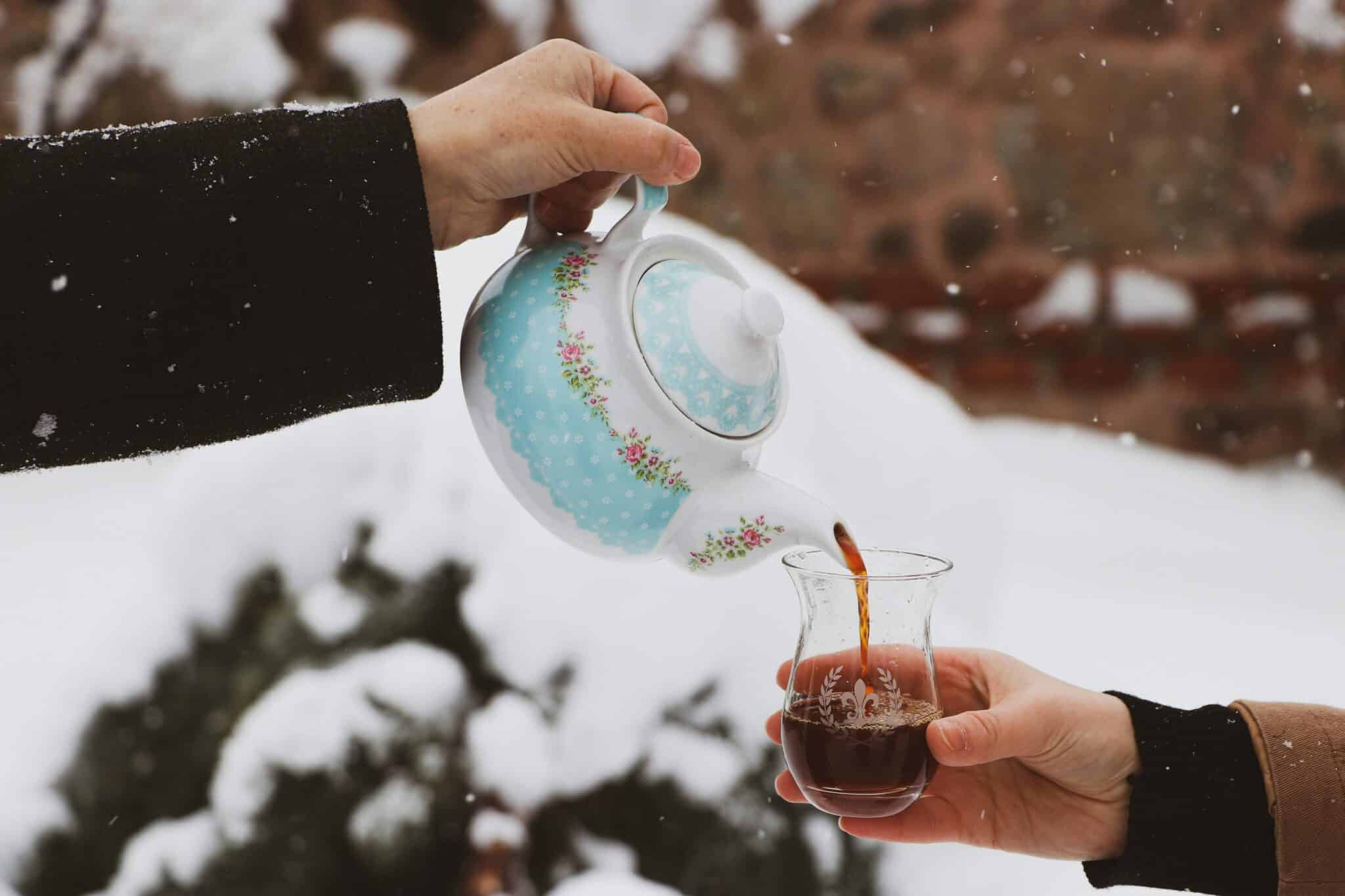
Consider the vessel you use. Thick ceramic mugs retain heat longer than thin porcelain cups, keeping your tea warm throughout extended sipping sessions. Double-walled glass mugs provide insulation while allowing you to appreciate your tea’s beautiful color. Choosing the right vessel becomes part of optimizing your winter tea experience.
Building Your Winter Tea Collection
As you explore warming teas, you’ll likely want to build a personal collection that covers various moods and needs throughout winter. A well-curated tea selection ensures you always have the perfect option, whether you need morning energy, afternoon comfort, or evening relaxation.
Start with versatile foundations: a quality black tea for mornings, a good chai blend for midday warmth, and a caffeine-free herbal option for evenings. These three categories cover most situations while allowing room to expand as you discover preferences and favorites.
Add seasonal varieties that feel particularly appropriate for winter. Many tea companies release special winter blends combining warming spices with festive flavors like cranberry, orange, or chocolate. These limited-edition offerings create excitement and mark the season as special, enhancing winter’s appeal rather than simply enduring it.
Invest in proper storage to maintain tea quality throughout winter. Airtight containers in cool, dark locations preserve freshness and flavor. Good storage practices mean your carefully selected teas will deliver maximum warmth and enjoyment every time you brew them, making your investment worthwhile. 🫖
Winter in the United States doesn’t have to mean simply surviving until spring arrives. With the right selection of warming teas, you can transform cold months into a season of comfort, ritual, and genuine enjoyment. Each cup becomes an opportunity to pause, warm yourself from within, and find moments of peace amid winter’s challenges. Whether you gravitate toward robust black teas, spiced chais, or gentle herbal infusions, there’s a perfect warming tea waiting to become your winter companion.
