
Anúncios
Reversing diabetes is more than a dream—it’s a proven possibility with dedication, lifestyle changes, and the right guidance.


Living with diabetes can feel overwhelming, especially when medication becomes part of your daily routine. Yet, thousands of people worldwide have successfully reversed their condition through strategic lifestyle modifications. The concept of becoming an “ex-diabetic” isn’t about wishful thinking—it’s grounded in scientific research and real-world success stories.
Anúncios
While Type 1 diabetes requires lifelong management, Type 2 diabetes often responds remarkably well to comprehensive lifestyle interventions. The journey demands commitment, but the rewards—reduced medication, improved energy, and better overall health—make every step worthwhile. Let’s explore twelve practical steps that can help you reclaim your metabolic health and potentially say goodbye to diabetes for good. 🌟
🍽️ Step 1: Transform Your Relationship with Carbohydrates
Carbohydrates directly impact blood sugar levels more than any other macronutrient. Understanding this connection is foundational to diabetes reversal. Not all carbs are created equal—refined sugars and processed grains spike blood glucose rapidly, while complex carbohydrates from vegetables and whole foods provide sustained energy without dramatic spikes.
Anúncios
Start by eliminating white bread, pastries, sugary cereals, and processed snacks. Replace them with non-starchy vegetables like leafy greens, broccoli, cauliflower, and zucchini. These foods provide essential nutrients while keeping blood sugar stable. Aim to fill half your plate with colorful vegetables at every meal.
Consider adopting a low-carb or ketogenic approach under medical supervision. Research shows that reducing carbohydrate intake to 50-100 grams daily can significantly improve insulin sensitivity and reduce HbA1c levels. Track your intake initially to understand portion sizes and make informed choices.
💪 Step 2: Prioritize Protein at Every Meal
Protein plays a crucial role in stabilizing blood sugar and supporting muscle maintenance during weight loss. Unlike carbohydrates, protein doesn’t cause sharp glucose spikes and actually helps slow down the absorption of other nutrients.
Include quality protein sources like eggs, fish, chicken, turkey, grass-fed beef, and plant-based options such as tofu and tempeh. Aim for 25-35 grams of protein per meal to maintain satiety and preserve lean muscle mass. Protein-rich breakfasts are particularly effective at controlling appetite and blood sugar throughout the day.
Greek yogurt, cottage cheese, and nuts make excellent protein-rich snacks. These foods not only support metabolic health but also help you feel fuller longer, reducing the temptation to reach for high-carb alternatives.
🏋️ Step 3: Embrace Resistance Training
Muscle is your metabolic ally in the fight against diabetes. Resistance training builds muscle tissue, which acts like a glucose sponge, pulling sugar from your bloodstream and improving insulin sensitivity dramatically.
You don’t need a gym membership to start. Bodyweight exercises like squats, push-ups, and lunges deliver significant benefits. Aim for at least two to three resistance training sessions weekly, focusing on major muscle groups. As you progress, consider adding weights or resistance bands.
Studies demonstrate that combining resistance training with aerobic exercise produces superior results for diabetes reversal compared to either approach alone. The muscle you build continues working for you 24/7, improving glucose metabolism even at rest.
🚶 Step 4: Make Movement Non-Negotiable
Sedentary behavior is a primary driver of insulin resistance. Regular movement—beyond structured exercise—significantly impacts blood sugar control. This concept, called NEAT (Non-Exercise Activity Thermogenesis), includes all the physical activity you do outside formal workouts.
Set a timer to stand and move every 30-60 minutes. Take walking phone calls, park farther from entrances, use stairs instead of elevators, and consider a standing desk. These small changes accumulate into substantial metabolic benefits over time.
Walking after meals is particularly powerful. A 15-minute walk following lunch or dinner can reduce post-meal blood sugar spikes by 20-30%. This simple habit requires no special equipment and fits easily into most schedules.

😴 Step 5: Prioritize Quality Sleep
Sleep deprivation wreaks havoc on blood sugar control. Just one night of poor sleep can reduce insulin sensitivity by up to 30%. Chronic sleep deficiency elevates cortisol levels, increases appetite, and promotes insulin resistance—a perfect storm for diabetes progression.
Aim for seven to nine hours of quality sleep nightly. Create a sleep sanctuary by keeping your bedroom cool, dark, and quiet. Establish a consistent bedtime routine, avoiding screens for at least an hour before sleep. Blue light from devices suppresses melatonin production and delays sleep onset.
If you snore heavily or feel tired despite adequate sleep duration, discuss sleep apnea screening with your doctor. This condition is common among diabetics and significantly impairs metabolic health when untreated.
🧘 Step 6: Master Stress Management Techniques
Chronic stress elevates cortisol, a hormone that directly raises blood sugar and promotes abdominal fat storage. The mind-body connection in diabetes management cannot be overstated—emotional stress literally translates into elevated glucose readings.
Incorporate daily stress-reduction practices like meditation, deep breathing exercises, yoga, or tai chi. Even five minutes of focused breathing can lower cortisol levels and improve insulin sensitivity. Apps and guided videos make these practices accessible for beginners.
Consider journaling as a stress-management tool. Writing about challenges, gratitude, and progress provides perspective and reduces anxiety. Many people find that addressing emotional health improves their physical outcomes dramatically.
💧 Step 7: Optimize Hydration Habits
Proper hydration supports kidney function, helps regulate blood sugar, and reduces the risk of complications. Dehydration concentrates blood glucose, leading to higher readings and increased complications risk.
Aim for at least eight glasses of water daily, more if you’re active or live in warm climates. Start your day with a large glass of water to rehydrate after sleep. Keep a water bottle accessible throughout the day as a visual reminder.
Avoid sugary drinks, fruit juices, and excessive artificial sweeteners. Herbal teas, infused water with cucumber or lemon, and sparkling water provide variety without affecting blood sugar. Coffee and tea in moderation can actually support metabolic health due to their antioxidant content.
🕐 Step 8: Experiment with Intermittent Fasting
Intermittent fasting (IF) has emerged as a powerful tool for improving insulin sensitivity and promoting weight loss. By extending the overnight fast, you give your body time to lower insulin levels and tap into fat stores for energy.
Start with a 12-hour fasting window (for example, eating between 8 AM and 8 PM) and gradually extend to 14 or 16 hours. The 16:8 protocol—fasting for 16 hours and eating within an 8-hour window—is popular and sustainable for many people.
Always consult your healthcare provider before starting IF, especially if you’re taking diabetes medication. Blood sugar levels may drop significantly, requiring medication adjustments. Monitor your glucose closely during the initial transition period.
🥑 Step 9: Incorporate Healthy Fats Strategically
Dietary fat doesn’t raise blood sugar and provides lasting satiety. The key is choosing the right types—emphasizing monounsaturated and omega-3 fats while minimizing processed vegetable oils and trans fats.
Include avocados, olive oil, nuts, seeds, fatty fish like salmon and sardines, and coconut oil in moderate amounts. These fats support cellular health, reduce inflammation, and help you feel satisfied after meals, reducing carbohydrate cravings.
Contrary to outdated advice, natural saturated fats from whole foods aren’t the enemy. The real culprits are trans fats from processed foods and excessive omega-6 oils found in fried and packaged products. Focus on whole, minimally processed fat sources.
📊 Step 10: Monitor and Track Your Progress
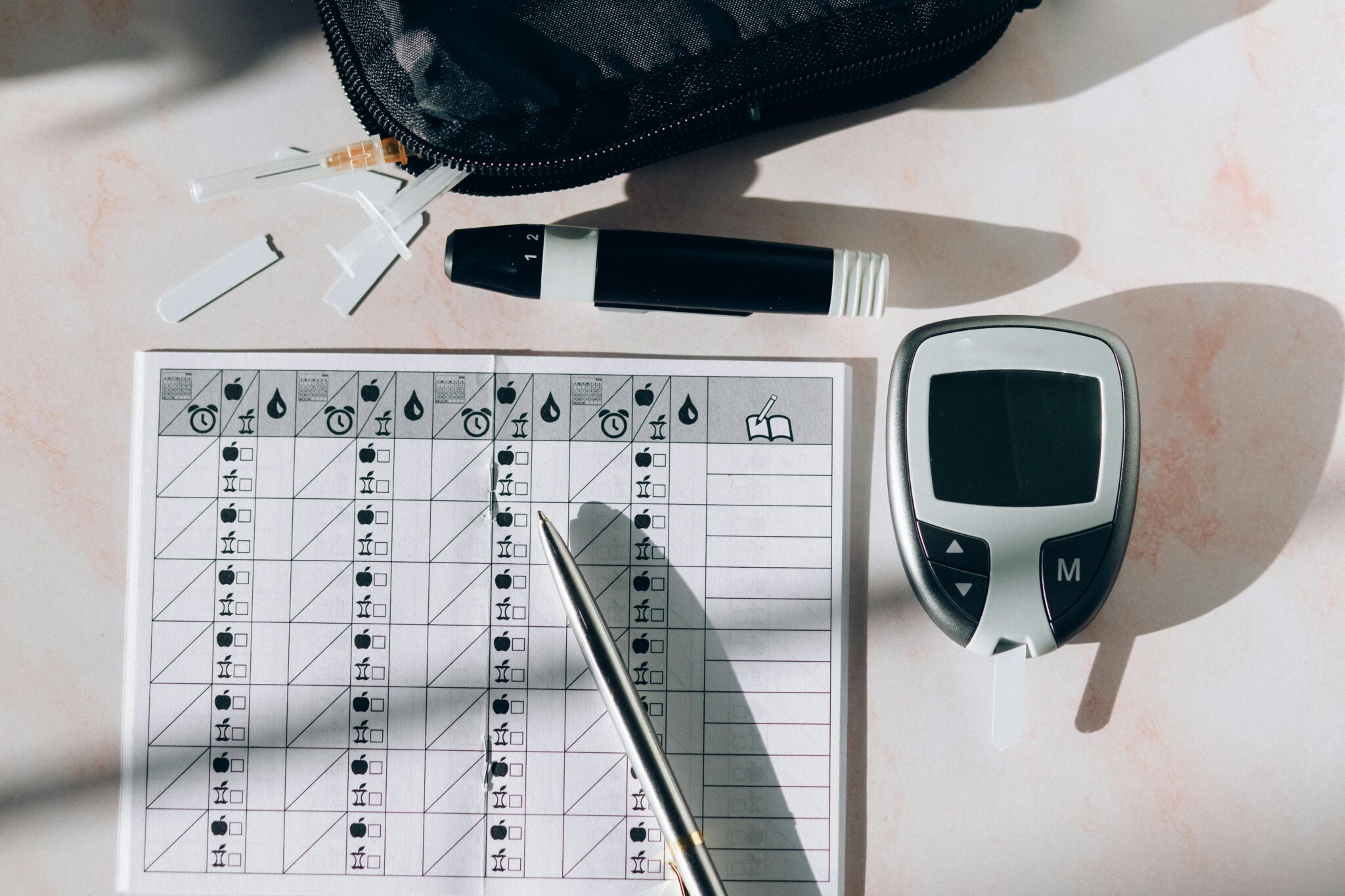
What gets measured gets managed. Regular monitoring provides feedback on what’s working and what needs adjustment. Beyond blood glucose readings, track your weight, waist circumference, energy levels, sleep quality, and mood.
Invest in a quality glucose meter and test strategically—fasting readings, pre- and post-meal measurements, and before/after exercise. Patterns emerge that help you understand how specific foods and activities affect your blood sugar personally.
Consider continuous glucose monitors (CGMs) if accessible. These devices provide real-time feedback, revealing how your body responds to various foods and stressors throughout the day. The insights can accelerate your learning curve dramatically.
👨⚕️ Step 11: Build a Supportive Healthcare Team
Diabetes reversal works best with professional guidance. Your team should include a physician open to lifestyle-based approaches, preferably one trained in functional or integrative medicine. A registered dietitian specializing in low-carb or ketogenic diets can provide personalized nutrition guidance.
Regular check-ins allow for medication adjustments as your condition improves. Many people successfully reduce or eliminate diabetes medications under proper supervision—never adjust medications independently. Your doctor should monitor HbA1c, fasting glucose, kidney function, and lipid panels regularly.
Consider working with a health coach or joining a support group. Connecting with others on similar journeys provides motivation, accountability, and practical tips. Online communities and local meetups offer valuable resources and encouragement.
🎯 Step 12: Cultivate a Long-Term Mindset
Becoming an ex-diabetic isn’t about quick fixes—it’s about sustainable lifestyle transformation. The habits you build today become the foundation for lasting health. Rather than viewing this as a temporary diet, embrace it as a permanent upgrade to how you live.
Celebrate non-scale victories: improved energy, better sleep, reduced medication, clearer thinking, and enhanced mood. These quality-of-life improvements often manifest before dramatic weight loss or perfect blood sugar readings.
Expect setbacks and plateaus—they’re part of the journey. What matters is your response to challenges. One imperfect meal or missed workout doesn’t erase your progress. Consistency over time trumps perfection in the moment.
🌈 Creating Your Personalized Action Plan
Start by implementing one or two steps from this list rather than attempting everything simultaneously. Sustainable change happens through small, consistent actions that compound over time. Choose the strategies that resonate most strongly with your current situation and preferences.
Create a supportive environment by clearing your kitchen of trigger foods and stocking healthy alternatives. Meal prep on weekends to ensure nutritious options are readily available during busy weekdays. Schedule exercise like any important appointment—non-negotiable time blocked on your calendar.
Document your journey through photos, measurements, and journal entries. On difficult days, reviewing how far you’ve come provides powerful motivation to continue. Share your goals with trusted friends or family members who can offer encouragement and accountability.
💡 Understanding the Science Behind Reversal
Type 2 diabetes develops when cells become resistant to insulin, forcing the pancreas to produce more. Eventually, the pancreas can’t keep up, and blood sugar rises. This process typically occurs over years, driven by excess body fat (particularly visceral fat around organs), sedentary lifestyle, poor diet, chronic stress, and inadequate sleep.
The good news? Insulin resistance is largely reversible. When you reduce carbohydrate intake, lose excess weight, build muscle, and improve sleep quality, your cells become more sensitive to insulin. The pancreas doesn’t have to work as hard, and blood sugar naturally normalizes.
Research from the DiRECT trial demonstrated that nearly half of participants achieved diabetes remission through intensive lifestyle intervention focused on weight loss. Participants who lost 15 kilograms or more had an 86% remission rate. This groundbreaking study proved that diabetes reversal isn’t just possible—it’s reproducible with the right approach.
🚀 Taking Your First Steps Today
The journey to becoming an ex-diabetic begins with a single decision: choosing health over convenience, long-term wellbeing over short-term gratification. While the path requires effort, the alternative—progressive disease and complications—is far more challenging.
Start today by removing one problematic food from your diet and replacing it with a healthier alternative. Take a 10-minute walk after your next meal. Drink an extra glass of water. Go to bed 30 minutes earlier tonight. These simple actions initiate momentum that builds over time.
Remember that your diagnosis doesn’t define your future. Thousands of people have walked this path successfully, and you can too. Armed with knowledge, support, and determination, you have everything needed to reclaim your metabolic health and write a new chapter in your health story.
🎊 Embracing Your New Identity
As you progress through these twelve steps, you’ll notice something remarkable: your identity begins to shift. You’re no longer someone who “has diabetes”—you’re someone actively healing their body, making empowered choices, and taking control of their health destiny.
This mental shift is powerful. Instead of feeling like a victim of disease, you become an active participant in your healing. Each healthy meal, every workout, and all the good choices accumulate into significant transformation. The person you’re becoming through this process is stronger, more resilient, and more health-conscious than ever before.
Your success will inspire others facing similar challenges. By sharing your journey—the struggles and triumphs—you create ripples of positive change that extend far beyond yourself. The world needs more stories of hope, healing, and possibility. Let yours be one of them. 🌟
