
Anúncios
Ever dreamed of playing the accordion but didn’t want to carry around a bulky instrument? Mobile apps bring this classic sound right to your fingertips.


The accordion has been a beloved instrument for centuries, bringing joy to folk music, tango, polka, and countless other genres. Today’s technology makes it possible to experience this rich musical tradition without investing in an expensive physical instrument or dedicating years to formal training.
Anúncios
Whether you’re a curious beginner exploring musical possibilities or an experienced musician looking for a portable practice tool, accordion apps offer surprising versatility and authenticity. Let’s explore how these digital instruments work and which features make them worth downloading.
🎵 Why Choose a Digital Accordion Over Traditional Instruments
Physical accordions can cost anywhere from a few hundred to several thousand dollars. They’re also heavy, require regular maintenance, and demand considerable storage space. Digital alternatives eliminate these barriers while providing immediate access to authentic accordion sounds.
Anúncios
Mobile apps allow you to practice anywhere—on your commute, during lunch breaks, or while traveling. You won’t disturb neighbors or family members since you can use headphones. This convenience factor alone makes accordion apps an attractive option for aspiring musicians with busy lifestyles.
Another significant advantage is the learning curve. Many accordion apps include built-in tutorials, visual guides, and simplified interfaces that help beginners understand the instrument’s mechanics. You can experiment with different playing styles without the intimidation factor that sometimes accompanies traditional music education.
🎹 Understanding How Accordion Apps Actually Work
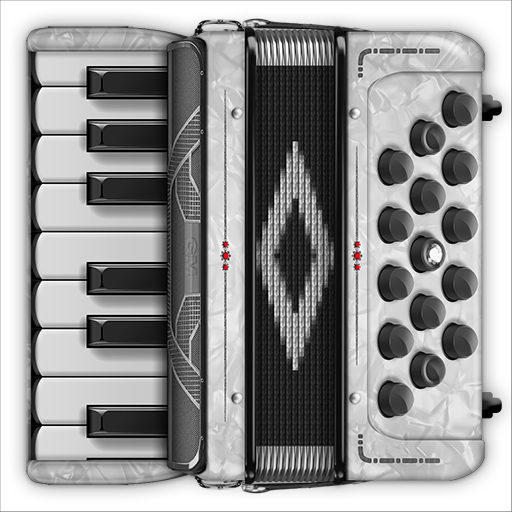
Most accordion applications simulate the instrument’s dual nature—melody buttons or keys on one side and bass buttons on the other. Your smartphone or tablet screen becomes divided into sections that represent these different components.
Touch-sensitive technology detects where and how you tap the screen, triggering corresponding sounds. Better apps incorporate pressure sensitivity, allowing for dynamic expression. The harder you press, the louder the note—just like a real accordion responding to bellows pressure.
Sound quality depends heavily on the samples used. Premium apps record actual accordions being played, capturing the instrument’s distinctive timbre and characteristic bellows sound. These high-quality samples make digital versions sound remarkably authentic, especially when played through decent speakers or headphones.
📱 Top Features to Look for in Accordion Applications
Not all accordion apps are created equal. The best ones share several key characteristics that enhance both playability and learning potential.
Authentic Sound Libraries
Quality apps use professionally recorded accordion samples rather than synthesized approximations. Listen carefully to demo videos before downloading—authentic bellows sounds and proper reed voicing make all the difference between a convincing and disappointing experience.
Customizable Layout Options
Different accordion types have different button arrangements. Apps offering layout customization let you practice on systems matching specific accordion varieties—Stradella bass, free bass, chromatic button, or piano accordion configurations.
Recording and Playback Functionality
The ability to record your performances helps track progress and identify areas needing improvement. Some apps even allow exporting recordings to share with friends or post on social media platforms.
Visual Learning Aids
Highlighted buttons showing finger placement, notation displays, and tutorial modes significantly accelerate learning. These features prove especially valuable for self-taught musicians without access to formal instruction.
🎼 Different Musical Genres You Can Explore
The accordion’s versatility spans an impressive range of musical traditions. Digital apps make exploring these diverse styles more accessible than ever before.
Traditional Folk Music
From Irish reels to Eastern European polkas, the accordion forms the backbone of folk traditions worldwide. Apps let you experiment with authentic regional sounds without purchasing specialized instruments designed for specific musical traditions.
Tango and Latin Styles
The bandoneón—a type of concertina closely related to the accordion—defines Argentine tango’s passionate sound. Many apps include settings that approximate this distinctive voice, opening doors to Latin musical exploration.
Contemporary and Experimental Music
Modern musicians increasingly incorporate accordion sounds into rock, pop, and electronic music. Digital apps make it easy to layer accordion tracks into home recordings or experiment with unconventional playing techniques.
🎯 Getting Started: Your First Steps with Accordion Apps
Beginning your digital accordion journey requires minimal investment but rewards consistent practice. Here’s how to maximize your initial experience.
Start by downloading a well-reviewed app and spending time familiarizing yourself with its interface. Don’t rush into playing songs immediately. Instead, explore individual buttons, understand the layout, and get comfortable with the touch response.
Practice simple scales before attempting melodies. Just like learning any instrument, developing muscle memory takes time. The advantage of apps is that you can practice briefly throughout the day rather than requiring dedicated hour-long sessions.
Use built-in tutorials if available. Many apps offer guided lessons that introduce fundamental techniques progressively. Even experienced musicians benefit from these structured approaches when adapting to digital instruments.
🔊 Optimizing Sound Quality for Better Performance
Your smartphone’s built-in speaker won’t do justice to quality accordion apps. Investing in audio accessories dramatically improves the playing experience.
Bluetooth speakers provide room-filling sound without cables getting in the way. Look for models with good bass response since accordion music relies heavily on lower frequencies. Portable speakers let you take your practice sessions outdoors or to informal jam sessions.
Headphones offer an alternative when private practice is necessary. Over-ear models typically deliver better sound reproduction than earbuds, helping you hear subtle tonal details that improve your playing technique.
Some advanced users connect their devices to external audio interfaces for recording or performing live. This setup requires additional equipment but provides professional-grade sound quality suitable for serious musical projects.
🎓 Learning Resources Beyond the App Itself
While accordion apps provide excellent tools, supplementing them with external learning resources accelerates skill development.
YouTube hosts thousands of accordion tutorials covering everything from absolute beginner lessons to advanced technique demonstrations. Watching experienced players helps you understand proper hand positioning and movement patterns that translate well to digital instruments.
Online accordion communities offer support, advice, and encouragement. Forums and social media groups connect you with other learners and experienced players willing to answer questions and provide feedback on recorded performances.
Sheet music and tablature resources help you expand your repertoire beyond built-in songs. Many websites offer free accordion arrangements of popular songs, classical pieces, and traditional folk melodies suitable for various skill levels.
📈 Tracking Your Progress and Setting Musical Goals
Consistent improvement requires intentional practice with clear objectives. Accordion apps make monitoring your development easier than traditional instruments in some respects.
Recording features let you create performance benchmarks. Record yourself playing specific songs weekly or monthly, then compare recordings to hear tangible improvement. This objective feedback proves more reliable than subjective impressions of your progress.
Set specific, achievable goals rather than vague aspirations. Instead of “get better at accordion,” aim for “learn three folk songs this month” or “master two-octave major scales.” Concrete targets provide motivation and direction for practice sessions.
Challenge yourself with increasingly difficult material as your skills develop. Most apps organize songs by difficulty level, making it easy to find appropriately challenging pieces that push your abilities without causing frustration.
🌍 Connecting with the Global Accordion Community
Technology doesn’t just bring the instrument to your phone—it also connects you with accordion enthusiasts worldwide.
Many apps include social features allowing you to share performances, compete in challenges, or collaborate on musical projects. These connections transform solitary practice into a communal experience that maintains motivation and interest.
Virtual accordion festivals and online concerts have proliferated in recent years. Participating in these events—either as audience member or performer—deepens your appreciation for the instrument and exposes you to diverse playing styles.
Consider joining virtual accordion ensembles. Some creative musicians coordinate remote performances where participants record their parts individually, then combine them into cohesive pieces showcasing the instrument’s harmonic possibilities.
💡 Creative Applications Beyond Traditional Playing
Accordion apps offer possibilities extending well beyond straightforward musical performance.
Music Production and Composition
Digital audio workstations can incorporate accordion app recordings into larger productions. Layer accordion tracks with other instruments to create rich, textured compositions without needing access to multiple physical instruments.
Educational Tools
Teachers use accordion apps to introduce students to musical concepts like harmony, rhythm, and melody. The visual nature of digital instruments helps learners understand abstract musical theory more concretely.
Therapeutic Applications
Music therapy increasingly incorporates mobile instruments. Accordion apps provide accessible entry points for patients developing fine motor skills or exploring emotional expression through sound.
🔮 The Future of Digital Accordion Technology
Current apps already offer impressive functionality, but emerging technologies promise even more exciting possibilities.
Augmented reality could overlay virtual buttons onto your physical environment, creating more intuitive playing experiences. Imagine seeing a full-sized accordion in your living room through your phone screen, playing it with natural hand movements.
Artificial intelligence might provide real-time feedback on technique, offering personalized coaching that adapts to your specific learning style and progress rate. Machine learning algorithms could analyze your playing and suggest targeted exercises addressing your unique weaknesses.
Haptic feedback technology continues improving, potentially adding tactile sensations that simulate the physical resistance of real accordion buttons and bellows. These developments would make digital instruments feel increasingly similar to their acoustic counterparts.

🎊 Making the Most of Your Digital Accordion Experience
Success with accordion apps requires balancing experimentation with disciplined practice. Allow yourself to explore freely—try different sounds, play around with effects, and don’t fear making mistakes. This playful approach keeps music enjoyable rather than feeling like obligatory work.
Simultaneously, establish regular practice routines. Even 10-15 minutes daily produces better results than occasional marathon sessions. Consistency builds the neural pathways necessary for developing genuine musical skill.
Remember that digital instruments complement rather than replace traditional ones. If you develop serious passion for accordion music, eventually investing in a physical instrument becomes worthwhile. However, apps provide an excellent starting point requiring minimal commitment while offering maximum flexibility.
Share your musical journey with others. Whether posting videos online, playing for family and friends, or simply discussing your progress with fellow enthusiasts, social interaction enhances the experience and maintains motivation during inevitable plateaus.
The accordion’s distinctive sound carries rich cultural heritage spanning continents and centuries. Mobile technology democratizes access to this wonderful instrument, removing barriers that once prevented many from experiencing the joy of making music. Download an app today, and discover whether the accordion’s unique voice speaks to your musical soul. 🎶
