
Anúncios
Listening to AM/FM radio on your smartphone brings the traditional broadcasting experience into the modern digital age, combining nostalgia with convenience.


Radio broadcasting has been a cornerstone of communication and entertainment for over a century. While streaming services dominate today’s audio landscape, there’s something uniquely appealing about tuning into live radio stations. Whether it’s catching breaking news, discovering local music, or following sports commentary in real-time, AM/FM radio maintains its relevance even in our smartphone-dominated world.
Anúncios
The good news is that accessing radio stations through your mobile device has become remarkably simple. You no longer need a dedicated radio receiver or bulky equipment. With the right apps and understanding of available technologies, your smartphone transforms into a powerful radio that fits comfortably in your pocket. Let’s explore everything you need to know about enjoying AM/FM radio on your mobile device.
📻 Understanding FM Chips in Smartphones
Many people don’t realize that numerous smartphones come equipped with built-in FM radio chips. These hardware components can receive traditional FM broadcasts without requiring an internet connection. Manufacturers include these chips primarily for emergency communication purposes, allowing users to access vital information during disasters when cellular networks might fail.
Anúncios
However, not all FM chips are activated by default. In some regions, particularly North America, carriers and manufacturers often disable this functionality. The reasoning behind this decision varies from business interests to concerns about battery consumption and user experience consistency.
To determine whether your phone has an active FM chip, check your device specifications or look for pre-installed radio apps. Brands like Samsung, LG, and Motorola have historically been more supportive of FM functionality. You’ll need wired headphones to use this feature, as the headphone cable acts as an antenna for signal reception.
🌐 Internet-Based Radio Apps: The Modern Solution
While built-in FM chips offer offline listening, internet-based radio applications provide vastly superior station variety and global accessibility. These apps stream radio content over your cellular data or Wi-Fi connection, opening access to thousands of stations worldwide.
Applications like Simple Radio, TuneIn, iHeartRadio, and Radio.com have revolutionized how we consume radio content. They aggregate stations from around the globe, offering sophisticated search functions, genre categorization, and personalized recommendations based on listening habits.
The streaming approach means you’re not limited by geographic location or signal strength. A listener in Tokyo can easily tune into a jazz station broadcasting from New Orleans, or someone in London can follow a sports commentary from Sydney. This borderless radio experience was unimaginable in traditional broadcasting.
Benefits of Streaming Radio Apps 🎯
- Unlimited station access: Browse thousands of AM/FM stations from every continent
- Superior audio quality: Digital streaming typically offers clearer sound than analog broadcasts
- Advanced features: Enjoy pause, rewind, favorites lists, and alarm clock integration
- Minimal hardware requirements: Works on virtually any smartphone with internet connectivity
- Regular updates: Stations databases stay current with new additions and changes
- Cross-platform synchronization: Save favorites across multiple devices
📱 Top Radio Apps for Mobile Devices
Choosing the right application depends on your specific needs, preferred interface, and desired features. Here’s a comprehensive look at leading options available for both Android and iOS platforms.
Simple Radio – Comprehensive Global Coverage
Simple Radio stands out for its extensive station database and user-friendly interface. The app provides access to over 50,000 AM, FM, and online radio stations from more than 200 countries. Navigation is intuitive, with stations organized by location, genre, language, and popularity.
The application supports background playback, allowing you to browse other apps while listening. It features a sleep timer for bedtime listening, alarm clock functionality to wake up to your favorite station, and car mode for simplified controls while driving. The free version includes occasional advertisements, while the premium subscription removes ads and offers additional features.

TuneIn Radio – The Pioneer Platform
TuneIn has been a market leader since the early days of smartphone radio apps. Beyond traditional AM/FM stations, it offers podcasts, audiobooks, and exclusive sports content through TuneIn Premium. The app’s discovery algorithm helps users find new stations based on listening patterns.
One standout feature is live sports coverage, including NFL, NBA, MLB, and international football matches. TuneIn also integrates seamlessly with smart home devices like Amazon Echo and Google Home, creating a unified listening ecosystem across platforms.
iHeartRadio – American Broadcasting Excellence
Particularly strong in North American content, iHeartRadio provides access to over 850 live broadcast stations owned by iHeartMedia, plus thousands of additional stations and custom stations based on artists or songs. The app blends traditional radio with Pandora-style personalized streaming.
Users can create custom stations, save unlimited songs to playlists, and access exclusive artist performances and interviews. The platform frequently hosts virtual concerts and special events, adding entertainment value beyond standard radio programming.
⚡ Data Consumption and Offline Solutions
Streaming radio consumes cellular data, which can be a concern for users with limited plans. On average, streaming radio uses approximately 50-100 MB per hour at standard quality. Higher quality streams can consume up to 200 MB hourly.
To manage data usage effectively, connect to Wi-Fi networks whenever possible. Most radio apps allow you to adjust streaming quality in settings—lowering bitrate reduces data consumption while slightly compromising audio clarity. Some applications also offer download features for podcast episodes, enabling offline listening without continuous streaming.
Monitoring your data usage through your phone’s settings helps you stay within plan limits. Set data warnings and limits to avoid unexpected charges. Consider upgrading to an unlimited data plan if you’re a heavy radio listener who frequently streams while commuting or traveling.
🎧 Hardware Considerations for Optimal Experience
While smartphones have capable built-in speakers, investing in quality audio accessories significantly enhances your radio listening experience. Bluetooth speakers provide room-filling sound for home listening, while noise-canceling headphones create immersive experiences during commutes.
For car listening, Bluetooth connectivity allows wireless streaming through your vehicle’s audio system. Alternatively, aux cables or FM transmitters can connect phones to older car stereos. These solutions ensure safe, hands-free operation while driving.
Battery consumption varies depending on whether you’re streaming over the internet or using a built-in FM chip. Internet streaming typically drains batteries faster, especially over cellular connections. Carrying a portable battery pack ensures uninterrupted listening during long days away from charging sources.
🌍 Regional and International Radio Discovery
One of the most exciting aspects of mobile radio apps is discovering content from different cultures and regions. International stations offer language learning opportunities, exposure to diverse musical traditions, and unique perspectives on global events.
Many apps feature curated collections highlighting stations by country, making it simple to explore Brazilian bossa nova stations, French news channels, or Australian sports broadcasts. This global accessibility transforms your smartphone into a window on worldwide culture and information.
Local community stations often provide specialized content unavailable on major commercial networks. From college radio with cutting-edge independent music to hyper-local news covering neighborhood events, these smaller stations add richness to the radio ecosystem.
🔒 Privacy and Security Considerations
When using radio streaming apps, be mindful of permissions requested during installation. Legitimate radio apps typically need internet access and storage permissions for caching, but shouldn’t require access to contacts, camera, or SMS functions.
Review privacy policies to understand how apps collect and use your data. Many free applications track listening habits for advertising purposes. Premium subscriptions often provide enhanced privacy protections alongside ad removal.
Stick to established apps from recognized developers available through official app stores. Third-party radio apps from unknown sources may contain malware or excessive advertising that compromises user experience and device security.
📡 Technical Requirements and Troubleshooting
Most modern smartphones easily handle radio streaming apps. Minimum requirements typically include Android 5.0 or iOS 10.0 and newer, though optimal performance comes with more recent operating systems. Ensure your device has adequate storage space for app installation and temporary caching.
Common issues include buffering interruptions, station connection failures, and audio quality problems. These usually stem from network connectivity issues rather than app malfunctions. Switching between Wi-Fi and cellular data or moving to areas with stronger signals often resolves playback problems.
If specific stations won’t play, they may have geographic restrictions or temporary streaming issues. Try alternative stations or check the station’s official website for known outages. Clearing app cache and updating to the latest version addresses many persistent technical difficulties.
🎵 Genre-Specific Stations and Specialized Content
Radio apps excel at organizing content by musical genre, making it effortless to find stations matching your preferences. Whether you’re passionate about classical music, electronic dance, country, hip-hop, or world music, dedicated stations cater to every taste.
Beyond music, talk radio covers endless topics from political commentary and financial advice to comedy shows and true crime storytelling. Sports enthusiasts enjoy live game broadcasts, pre-game analysis, and post-game discussions across all major leagues and sports.
News stations provide continuous updates on current events, with options ranging from international BBC World Service to national networks and hyper-local community stations. Having diverse news sources at your fingertips promotes well-rounded perspectives on important issues.
💡 Advanced Features Worth Exploring
Modern radio apps include sophisticated features that enhance convenience and personalization. Sleep timers automatically stop playback after a set duration, perfect for bedtime listening without draining battery overnight.
Alarm clock integration lets you wake to your favorite station instead of jarring buzzers. Some apps support Android Auto and Apple CarPlay for seamless in-vehicle integration with voice controls and steering wheel buttons.
Chromecast and AirPlay compatibility enables streaming to smart TVs and connected speakers throughout your home. Social sharing features let you recommend favorite stations to friends or discover what others in your network are enjoying.
🚀 The Future of Mobile Radio Listening
Radio continues evolving alongside technology. Hybrid radio standards combine traditional broadcasting with internet connectivity, enabling features like visual displays, pause-and-rewind on live broadcasts, and seamless transitions between transmission methods.
Artificial intelligence increasingly personalizes radio experiences, learning preferences to suggest relevant stations and creating custom mixes. Voice assistants make radio control even more convenient, allowing hands-free operation through natural language commands.
5G networks promise improved streaming quality with reduced buffering and lower latency. This technological advancement will make mobile radio listening even more reliable, particularly in areas previously challenged by network limitations.
📊 Comparing Radio Apps: Quick Reference
| App Name | Station Count | Key Features | Best For |
|---|---|---|---|
| Simple Radio | 50,000+ | Global coverage, car mode, sleep timer | International listeners |
| TuneIn Radio | 100,000+ | Podcasts, sports, smart home integration | Diverse content seekers |
| iHeartRadio | 850+ live stations | Custom stations, exclusive concerts | North American users |
| Radio.com | 400+ stations | Sports talk, news, music variety | US-focused listeners |
🎯 Maximizing Your Mobile Radio Experience
Start by exploring different apps to find the interface and features that suit your preferences. Most offer free versions allowing full testing before committing to premium subscriptions. Create accounts to sync favorites across devices and preserve personalized settings.
Organize favorite stations into categories for quick access—morning news, workout music, evening relaxation. Take advantage of recommendation algorithms by rating stations and providing feedback, which helps apps refine suggestions.
Experiment with stations outside your usual preferences. Discovering unexpected content often leads to rewarding listening experiences. International stations expose you to new music genres and cultural perspectives impossible to access through traditional local radio alone.
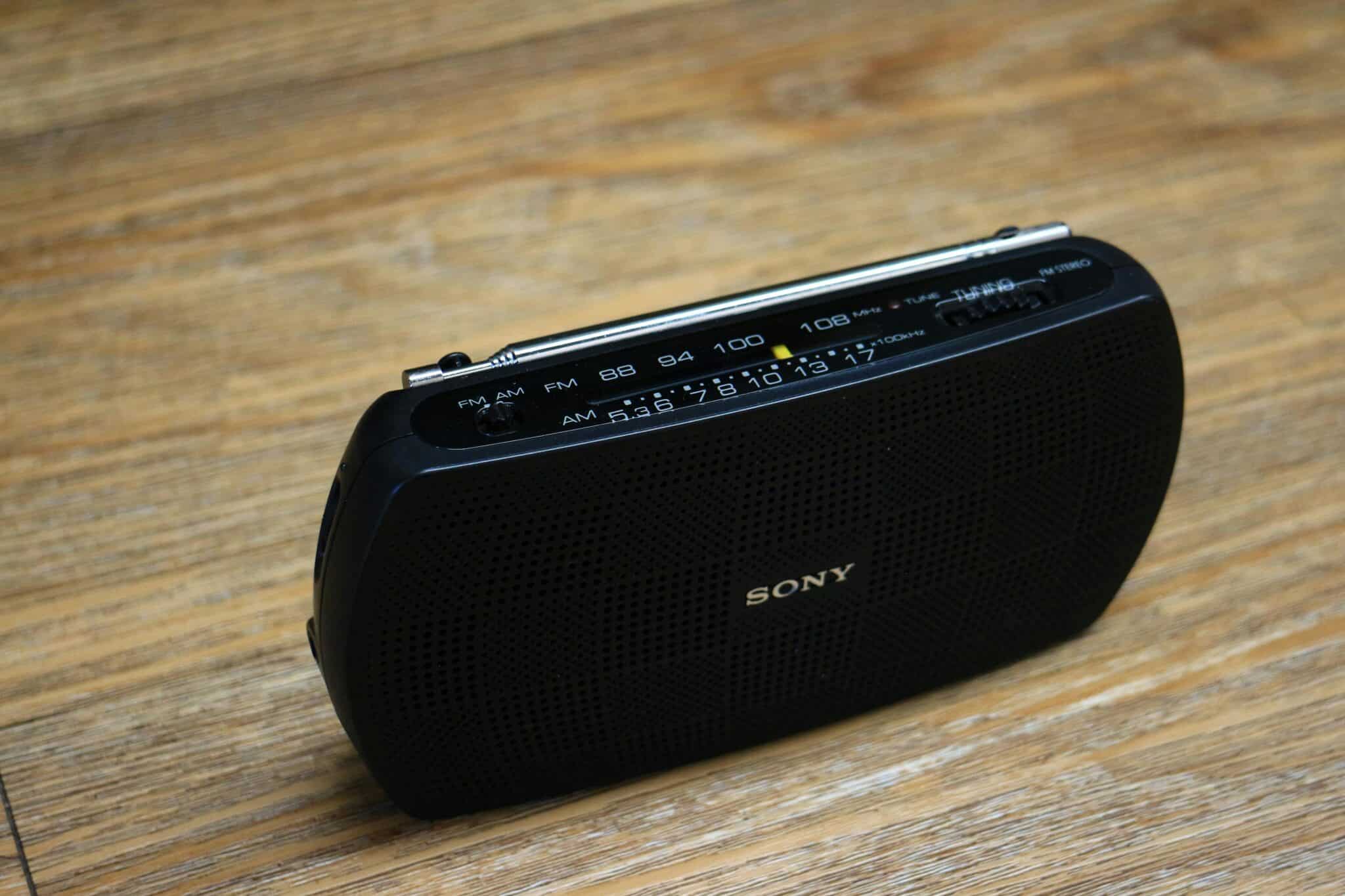
🔊 Radio in the Streaming Age: Why It Still Matters
Despite competition from music streaming services and podcasts, live radio maintains unique advantages. The curated experience provided by professional DJs introduces listeners to new music they might never discover through algorithm-based recommendations. Human curation adds personality and context that automated playlists cannot replicate.
Radio’s live nature creates shared cultural moments—everyone hears breaking news simultaneously, experiences the same song premieres, and participates in real-time call-in discussions. This communal aspect builds connections between listeners and creates belonging within communities.
Local radio particularly serves vital functions during emergencies, providing critical safety information when other communication channels fail. The combination of entertainment, information, and emergency preparedness makes radio an essential service worth preserving and supporting.
Accessing AM/FM radio through your smartphone bridges traditional broadcasting’s strengths with modern mobile convenience. Whether you prefer stations from your hometown or exploring international broadcasts, mobile radio apps deliver unlimited listening possibilities. The technology has never been more accessible, the station variety never more diverse, and the listening experience never more personalized. Download a radio app today and rediscover the magic of live broadcasting reimagined for the digital age. Your next favorite station is just a tap away, ready to accompany your daily routines, road trips, and quiet moments with the perfect soundtrack or compelling conversation. 📻✨
