
Anúncios
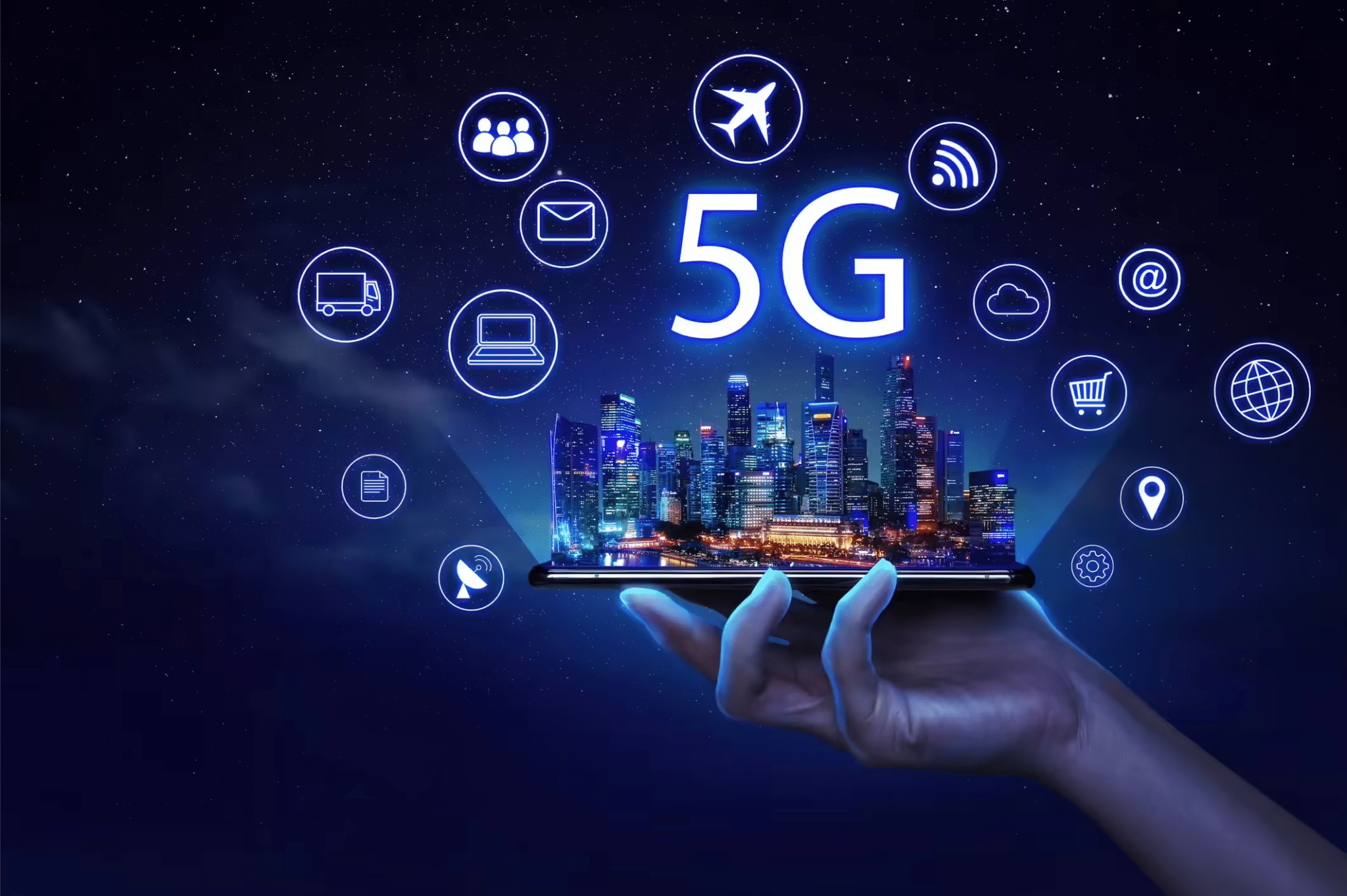
Activating 5G on your smartphone opens the door to lightning-fast internet speeds, seamless streaming, and enhanced connectivity no matter where you are in the world.


The rollout of 5G networks across the globe has transformed how we communicate, work, and entertain ourselves. From downloading massive files in seconds to enjoying buffer-free video calls, 5G technology represents a monumental leap forward in mobile connectivity. However, simply owning a 5G-capable device doesn’t automatically guarantee you’ll access these incredible speeds.
Anúncios
Many travelers and tech enthusiasts discover that their phones don’t connect to 5G networks when they’re abroad or even in certain domestic areas. Understanding how to properly activate and optimize 5G connectivity on your device can make all the difference between frustrating lag and ultra-smooth performance, regardless of your location on the planet.
🌐 Understanding 5G Technology and Global Compatibility
Before diving into activation steps, it’s essential to grasp what 5G actually means for your mobile experience. Fifth-generation wireless technology operates on different frequency bands than its predecessors, offering significantly faster data transfer rates, lower latency, and the capacity to connect more devices simultaneously.
Anúncios
However, 5G implementation varies dramatically from country to country. Some nations have deployed extensive mmWave networks offering gigabit speeds, while others rely primarily on sub-6GHz bands that provide better coverage but slower speeds. This global fragmentation means your phone’s 5G capabilities depend heavily on both hardware compatibility and regional network infrastructure.
Your smartphone must support the specific 5G bands used in your location. A device purchased in the United States might not access all 5G frequencies available in Europe or Asia. This hardware limitation explains why some travelers experience 5G connectivity issues when crossing borders, even with supposedly “global” devices.
📱 Checking If Your Device Supports 5G Networks
Not all smartphones are created equal when it comes to 5G connectivity. The first step in activating 5G anywhere in the world is confirming your device actually has the necessary hardware to support these advanced networks.
Navigate to your phone’s settings and look for network or cellular options. Most modern devices clearly indicate whether they support 5G connectivity. On iPhones running iOS 14 or later, go to Settings > Cellular > Cellular Data Options, where you’ll find network preferences including 5G options if your device supports them.
Android users can typically find this information under Settings > Network & Internet > Mobile Network or similar paths depending on the manufacturer. Samsung devices, for example, often display 5G capabilities prominently in the connection settings menu.
If you don’t see any 5G options, your device may not support this technology. Alternatively, your carrier might not have enabled 5G on your account, or your current location might lack 5G infrastructure altogether.
🔧 Step-by-Step Activation Process for iPhone Users
Apple’s ecosystem makes 5G activation relatively straightforward, though the exact steps can vary slightly depending on your iOS version. Here’s how to ensure your iPhone connects to 5G networks worldwide:
Open the Settings app and tap on “Cellular” or “Mobile Data” depending on your region. Select “Cellular Data Options” and then tap “Voice & Data.” You’ll see several options including LTE, 5G Auto, and 5G On.
The “5G Auto” setting balances speed and battery life, automatically switching to 5G when it won’t significantly impact your battery. This option works well for most users, especially when traveling internationally where you might encounter varying network qualities.
Choosing “5G On” forces your device to use 5G whenever available, maximizing speed but potentially draining your battery faster. This setting is ideal when you need maximum performance for activities like video conferencing or large file transfers.
If you’re traveling abroad, ensure your device supports roaming on 5G networks. Some carriers restrict 5G access when roaming, limiting you to 4G LTE speeds. Contact your carrier before traveling to confirm international 5G availability and any associated charges.
🤖 Activating 5G on Android Devices Worldwide
Android’s diverse ecosystem means activation steps vary between manufacturers, but the general principles remain consistent across devices. Understanding your specific phone’s settings structure is key to unlocking 5G connectivity.
For Samsung Galaxy devices, open Settings and navigate to Connections > Mobile Networks > Network Mode. Select “5G/LTE/3G/2G (auto connect)” or similar options that include 5G in the hierarchy. This ensures your device prioritizes 5G connections when available.
Google Pixel users should access Settings > Network & Internet > SIMs, select their active SIM card, and tap “Preferred network type.” Choose the option that includes 5G, typically listed as “5G (recommended)” or “5G/4G/3G/2G (automatic).”
OnePlus, Xiaomi, and other manufacturers follow similar patterns, though menu names might differ. Look for network settings, mobile data options, or SIM card management sections where you can modify preferred network types.
Remember that some budget or mid-range Android devices advertise 5G support but only include limited band compatibility. These phones might connect to 5G in their home market but fail to access 5G networks in other countries due to different frequency deployments.
✈️ International Roaming and 5G Activation Challenges
Traveling internationally introduces unique challenges for 5G connectivity. Carrier agreements, roaming policies, and regional frequency differences all impact whether your device can access 5G networks abroad.
Many carriers charge premium rates for international data roaming, and some specifically restrict 5G access when you’re outside your home country. Before departing, contact your mobile provider to understand their international 5G policies and associated costs.
Purchasing a local SIM card in your destination country often provides the most reliable 5G access. This approach bypasses roaming restrictions entirely and typically offers better rates for data usage. Ensure your phone is unlocked before traveling to enable local SIM compatibility.
eSIM technology has simplified international connectivity significantly. Many modern smartphones support eSIM profiles that can be purchased and activated digitally, eliminating the need for physical SIM cards. Providers like Airalo, Ubigi, and others offer international eSIM plans with 5G support in compatible markets.
🔍 Troubleshooting Common 5G Activation Problems
Even after following activation steps correctly, you might encounter situations where 5G connectivity remains elusive. Understanding common problems and their solutions helps you quickly restore high-speed access.
If your device shows 5G capability but won’t connect, first verify that you’re in an area with actual 5G coverage. Carrier coverage maps, while sometimes optimistic, provide general guidance about where 5G networks exist. Urban centers typically have the most robust 5G infrastructure.
Software updates can significantly impact 5G performance. Manufacturers and carriers regularly release updates that improve network compatibility and fix connectivity bugs. Check for pending system updates in your phone’s settings and install them when connected to Wi-Fi.
Toggling airplane mode on and off forces your device to search for available networks fresh, potentially resolving temporary connection issues. This simple reset often clears minor software glitches that prevent 5G access.
Resetting network settings represents a more comprehensive solution when other troubleshooting fails. This action erases all saved Wi-Fi passwords, Bluetooth connections, and cellular settings, returning your phone to factory network defaults. On iPhones, find this option under Settings > General > Transfer or Reset iPhone > Reset > Reset Network Settings.
🌍 Regional Differences in 5G Network Deployment
Understanding regional variations in 5G implementation helps set realistic expectations for connectivity when traveling or relocating internationally. Different countries have adopted distinct approaches to 5G rollout, affecting both availability and performance.
South Korea, China, and the United States lead global 5G deployment, with extensive urban coverage and continued expansion into suburban areas. European countries have made significant progress but face regulatory challenges that have slowed comprehensive implementation compared to Asian markets.
Developing nations are beginning to introduce 5G in major cities, though coverage remains limited and primarily concentrated in business districts and tourist areas. Rural connectivity still relies heavily on 4G LTE or even 3G networks in remote regions.
Frequency band allocation varies globally, creating compatibility puzzles for international travelers. The United States emphasizes mmWave and mid-band spectrum, while European deployments focus primarily on sub-6GHz frequencies. Your phone must support the specific bands deployed in each region to access local 5G networks.
💡 Optimizing 5G Performance on Your Device
Simply activating 5G doesn’t guarantee optimal performance. Several factors influence your actual connection quality and speed, many of which you can control through proper device configuration.
Battery optimization settings sometimes throttle 5G connectivity to extend device longevity. Review your phone’s power management features and consider adjusting them when you prioritize speed over battery life. Most devices offer custom power modes that let you balance performance and efficiency.
Background apps consuming data can impact your perceived 5G speeds. Close unnecessary applications and limit background data access for apps that don’t require constant connectivity. This frees up bandwidth for your active tasks and improves overall responsiveness.
Physical obstructions and distance from cell towers dramatically affect 5G performance, especially on mmWave networks that don’t penetrate buildings well. When experiencing slow speeds indoors, moving closer to windows or stepping outside often significantly improves connectivity.
Using speed test applications helps you understand your actual 5G performance versus theoretical maximums. Apps like Ookla Speedtest, Fast.com, or carrier-specific testing tools provide concrete data about your connection quality and help identify persistent problems.
🔐 Security Considerations When Using 5G Networks
While 5G technology includes enhanced security features compared to previous generations, users must still practice safe mobile connectivity habits, especially when traveling internationally.
Public 5G networks, like any wireless connection, potentially expose your data to interception if you’re not using proper encryption. Always employ VPN services when accessing sensitive information or conducting financial transactions over mobile networks, regardless of connection speed.
Be cautious about connecting to unknown networks, even those advertising 5G speeds. Sophisticated attackers sometimes create fake cellular networks that mimic legitimate carriers to intercept user data. Stick with known, reputable carriers and verify network authenticity when possible.
Keep your device’s operating system and security patches current. Manufacturers regularly address vulnerabilities that could be exploited through network connections. Automatic updates help ensure your phone maintains the latest security protections.
📊 Comparing 5G Speeds Across Different Carriers and Regions
Not all 5G networks deliver equal performance. Understanding the differences between carriers and regions helps you make informed decisions about providers and expectations for connectivity.
Independent research organizations regularly publish 5G speed comparisons across carriers and countries. These reports reveal significant variations in average download speeds, latency, and coverage reliability between providers operating in the same market.
Premium carrier plans sometimes include priority data access, meaning your connection receives preferential treatment during network congestion. This can substantially impact real-world performance in crowded areas like stadiums, airports, or dense urban centers.
| Region | Average 5G Speed | Coverage Level |
|---|---|---|
| South Korea | 400+ Mbps | Extensive |
| United States | 100-300 Mbps | Growing |
| Europe | 150-250 Mbps | Moderate |
| Southeast Asia | 200-350 Mbps | Urban-focused |
These averages mask significant variations within regions and between urban and rural areas. Major cities consistently outperform smaller towns in both speed and reliability.
🚀 Future-Proofing Your Device for Evolving 5G Networks
5G technology continues evolving rapidly, with carriers regularly upgrading infrastructure and expanding coverage. Choosing devices and plans that accommodate future developments ensures you maximize your investment.
When purchasing a new smartphone, verify that it supports the broadest possible range of 5G frequency bands. Flagship devices typically include more comprehensive band support than budget alternatives, making them better suited for international travel and future network expansions.
Standalone 5G (SA) networks represent the technology’s full potential, offering lower latency and improved performance compared to non-standalone (NSA) implementations that rely on existing 4G infrastructure. Ensure your device supports standalone 5G to take advantage of these advanced networks as they become more prevalent.
Monitoring industry announcements about network upgrades and new frequency allocations helps you understand when significant connectivity improvements might arrive in your area. Carriers typically publicize major infrastructure investments and expansion plans that signal enhanced 5G availability.
🎯 Maximizing Value from Your 5G Connection
Once you’ve successfully activated 5G on your device, leveraging its capabilities fully transforms your mobile experience. Understanding which activities benefit most from high-speed connectivity helps you appreciate the technology’s advantages.
Video streaming services automatically adjust quality based on available bandwidth. With 5G speeds, you can enjoy 4K or even 8K content on supported devices without buffering. Apps like Netflix, YouTube, and Disney+ deliver significantly enhanced visual experiences when connected to robust 5G networks.
Cloud gaming services like Xbox Cloud Gaming, GeForce Now, and PlayStation Plus Premium become genuinely viable on mobile devices with 5G connectivity. The reduced latency and increased bandwidth enable responsive gameplay previously impossible on mobile networks.
Video conferencing quality improves dramatically on 5G connections. Higher resolution, stable frame rates, and reduced lag make mobile video calls professional-grade, enabling remote work and virtual meetings from virtually anywhere with coverage.
Large file transfers that once required Wi-Fi connections become practical over 5G. Downloading apps, games, movies, and software updates happens in seconds rather than minutes, fundamentally changing how you use your mobile device.
🌟 Real-World Applications That Shine on 5G Networks
Beyond speed improvements for existing applications, 5G technology enables entirely new mobile experiences that weren’t feasible on previous network generations.
Augmented reality applications leverage 5G’s low latency and high bandwidth to deliver seamless experiences. Navigation apps with AR overlays, virtual furniture placement tools, and interactive gaming experiences all benefit tremendously from 5G connectivity.
Live streaming from your mobile device reaches professional quality levels on 5G networks. Content creators can broadcast high-resolution video with stable connections, opening new possibilities for mobile journalism, event coverage, and social media engagement.
Connected device ecosystems, including smart home controls accessed remotely, benefit from 5G’s reliability and speed. Managing security cameras, thermostats, and other IoT devices from your mobile device becomes more responsive and dependable.
The combination of 5G connectivity and advanced smartphone capabilities positions mobile devices as legitimate alternatives to traditional computers for many tasks. As networks continue expanding and technology matures, this trend will only accelerate.
✨ Embracing the Connected Future Wherever You Go
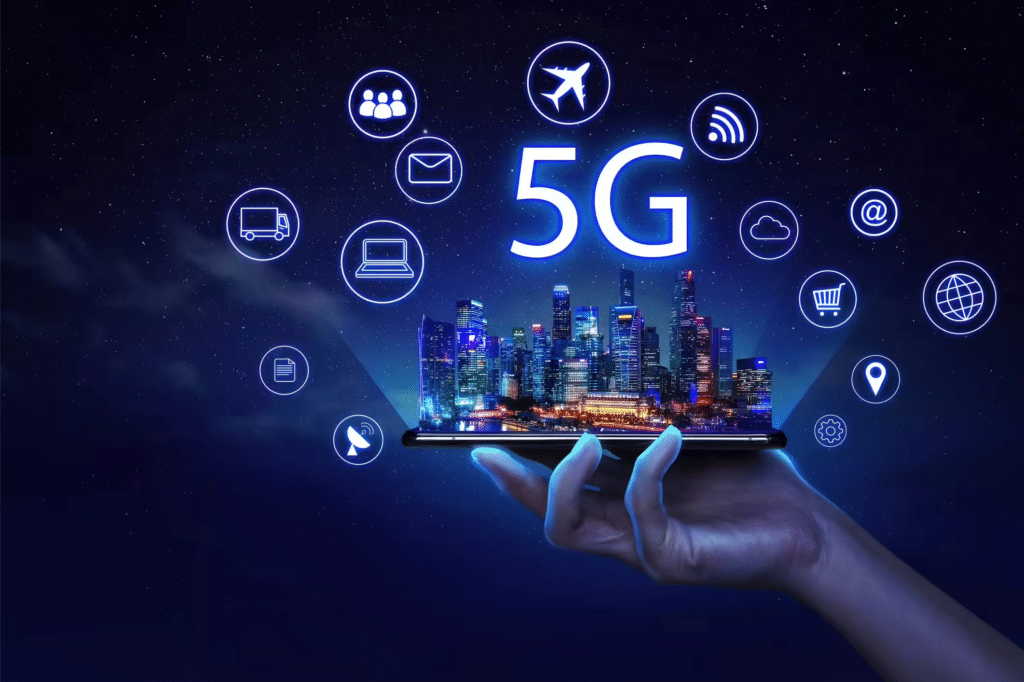
Activating and optimizing 5G on your smartphone unlocks unprecedented connectivity possibilities, regardless of where your travels or daily life take you. The technology’s global expansion continues accelerating, bringing high-speed mobile internet to more people and places every day.
Understanding your device’s capabilities, regional network differences, and proper activation procedures ensures you’re positioned to take full advantage of 5G networks wherever they’re available. As infrastructure improves and coverage expands, the gap between mobile and fixed broadband connectivity continues narrowing.
Whether you’re streaming content, working remotely, gaming on the go, or simply browsing the web, 5G technology transforms what’s possible with a mobile device. By following the guidelines outlined above, you can ensure your smartphone delivers the exceptional performance this revolutionary technology promises.
The future of mobile connectivity is already here in many parts of the world, and it’s expanding rapidly into new markets and regions. Staying informed about developments, maintaining your device properly, and understanding how to optimize your connection ensures you’ll remain at the forefront of this communications revolution no matter where in the world you find yourself.
