
Anúncios
Understanding when to receive the PIS benefit in Brazil is essential for millions of workers who rely on this annual social payment distributed by the federal government.


The PIS (Programa de Integração Social) benefit represents an important financial support mechanism for Brazilian workers registered under the CLT employment regime. Each year, eligible employees receive this payment based on their birth month, helping families cover unexpected expenses, pay bills, or invest in personal needs.
Anúncios
Navigating the Brazilian social benefit system can feel overwhelming, especially with different calendars, eligibility requirements, and payment structures. This comprehensive guide breaks down everything you need to know about receiving your PIS payment, ensuring you never miss out on this valuable benefit. 📅
What Exactly Is the PIS Benefit?
The PIS benefit serves as an annual wage bonus for private-sector workers in Brazil. Created in 1970, this social program aims to promote workforce integration and provide financial assistance to qualifying employees. The payment amount varies based on the number of months worked during the reference year, offering proportional compensation that reflects your employment history.
Anúncios
Workers registered in the PIS program receive a unique identification number that tracks their eligibility throughout their careers. This system ensures that benefits reach the right individuals at the appropriate times, creating a structured approach to social welfare distribution.
The benefit differs from the thirteenth salary payment, representing an additional source of income specifically designed for those who meet particular employment criteria. Understanding this distinction helps workers properly plan their annual finances and anticipate incoming payments.
Who Qualifies for PIS Payments?
Eligibility for PIS follows specific requirements established by Brazilian labor legislation. Not every worker automatically qualifies for this benefit, making it crucial to verify your status before expecting payment.
To receive PIS, workers must meet these fundamental criteria:
- Be registered in the PIS program for at least five years
- Have worked for an employer who contributes to the PIS program for at least 30 days during the reference year
- Receive up to two minimum wages on average per month during the reference year
- Have employment data correctly reported by the employer through RAIS (Relação Anual de Informações Sociais)
The five-year registration requirement ensures that only workers with established employment histories receive benefits. This prevents fraudulent claims while supporting those genuinely engaged in the Brazilian labor market.
Employers bear responsibility for correctly registering employees and reporting their information annually. Workers should verify that their employers fulfill these obligations, as missing or incorrect data can delay or prevent payment altogether.
Understanding the PIS Payment Calendar 📆
The Brazilian government releases PIS payments according to a structured calendar based on workers’ birth months. This distribution system prevents overwhelming demand on financial institutions while ensuring organized, predictable payment schedules.
The payment calendar typically begins in February and extends through March of the following year, creating an extended period during which different groups receive their benefits. Workers born in January receive payments first, followed sequentially by those born in subsequent months.
This staggered approach allows the government to manage cash flow effectively while giving workers clear expectations about when funds become available. Planning around these dates helps families budget appropriately and avoid financial surprises.
Recent Payment Schedule Example
While specific dates change annually, the general structure remains consistent. A typical calendar might look like this:
| Birth Month | Payment Period |
|---|---|
| January | February 15 – December 28 |
| February | March 15 – December 28 |
| March | April 15 – December 28 |
| April | April 30 – December 28 |
| May | May 15 – December 28 |
| June | June 15 – December 28 |
| July | July 15 – December 28 |
| August | August 15 – December 28 |
| September | September 15 – December 28 |
| October | October 15 – December 28 |
| November | November 15 – December 28 |
| December | December 15 – December 28 |
These dates serve as guidelines, with the government announcing official calendars several months in advance. Workers should consult official sources for the most current information regarding their specific payment year.
How Much Money Can You Expect?
The PIS payment amount depends directly on how many months you worked during the reference year. Workers employed for the full twelve months receive the maximum benefit equivalent to one minimum wage, while those with fewer months receive proportional amounts.
The calculation follows a straightforward formula: divide the current minimum wage by twelve, then multiply by the number of months worked. For example, if the minimum wage stands at R$1,320 and you worked eight months, your benefit equals R$880.
This proportional system ensures fairness while recognizing that employment situations vary throughout the year. Whether you started a new job mid-year or experienced temporary unemployment, the calculation reflects your actual work history.
Only months where you worked at least 15 days count toward the total. This prevents abuse while accommodating normal employment fluctuations and transitions between jobs. 💰
Different Ways to Access Your PIS Payment
The Brazilian government provides multiple convenient methods for accessing PIS benefits, accommodating different preferences and technological capabilities among workers.
Caixa Econômica Federal Branches
Traditional bank branch visits remain popular, especially among those who prefer face-to-face transactions. Workers can visit any Caixa branch with proper identification to withdraw funds directly. This method offers personal assistance and immediate access to cash.
Caixa Tem Digital Application
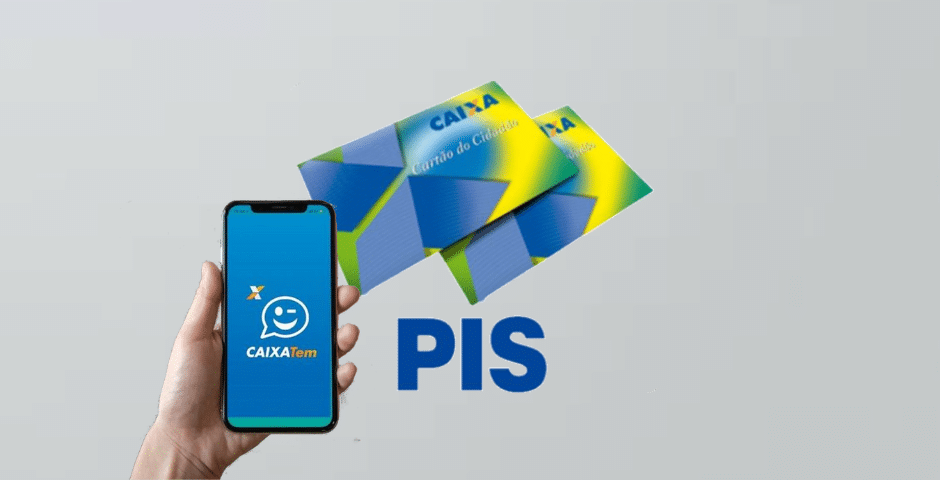
The Caixa Tem app revolutionized benefit distribution by enabling fully digital transactions. Workers download the application, create an account using their CPF, and access funds directly through their smartphones. This method eliminates waiting in lines and provides 24/7 access to payment information.
Authorized Lottery Outlets
For amounts up to certain limits, authorized lottery locations offer quick withdrawal services. This option proves convenient for those in areas with limited banking infrastructure or who prefer avoiding larger bank branches.
Automatic Transfer to Bank Accounts
Workers with existing Caixa accounts, particularly savings accounts, often receive automatic deposits. This seamless process requires no additional action, with funds appearing directly in accounts on scheduled dates.
Checking Your PIS Eligibility and Payment Status
Verifying your eligibility and tracking payment status prevents confusion and helps you plan accordingly. Several reliable methods exist for obtaining this information quickly and accurately.
The Carteira de Trabalho Digital (Digital Work Portfolio) app provides comprehensive employment history, including PIS registration details and benefit eligibility. This official government application centralizes important worker information in one accessible location.
The Ministry of Labor website offers online consultation services where workers enter their PIS number and birth date to view benefit status. This method works well for those preferring desktop access over mobile applications.
Calling the dedicated helpline 0800-726-0207 connects you with representatives who can answer questions and provide personalized assistance. This option suits individuals less comfortable with digital platforms or facing specific issues requiring human support. 📱
Common Reasons for PIS Payment Delays or Denials
Understanding why some workers experience problems receiving benefits helps prevent issues and resolve them quickly when they arise.
Incorrect or missing employer information represents the most frequent problem. When companies fail to properly report employee data through RAIS, the system cannot verify employment history, resulting in payment denials. Workers should ensure their employers fulfill reporting obligations annually.
Exceeding the two-minimum-wage average salary threshold disqualifies workers from receiving benefits. While earning more generally indicates positive financial circumstances, it removes PIS eligibility under current regulations.
Not meeting the five-year registration requirement affects newer workers or those recently entering the formal labor market. This waiting period ensures program sustainability while encouraging long-term formal employment.
Outdated personal information, including address changes or incorrect identification details, can complicate payment processing. Keeping your cadastral data current through official channels prevents these administrative obstacles.
Important Differences Between PIS and PASEP
While discussing PIS, understanding PASEP (Programa de Formação do Patrimônio do Servidor Público) provides valuable context. These parallel programs serve different worker categories but function similarly in many respects.
PIS covers private-sector employees, while PASEP serves public servants. The payment calendars differ slightly, with PASEP distributions occurring earlier in the year, typically between February and March based on final registration digits rather than birth months.
Both programs require similar eligibility criteria and offer comparable benefit amounts. The fundamental difference lies in employment sector rather than program structure or payment calculation methods.
Public servants should consult PASEP-specific information through Banco do Brasil, which administers that program, rather than Caixa Econômica Federal.
What Happens to Unclaimed PIS Payments?
Workers have specific timeframes to claim their PIS benefits before funds return to government coffers. Understanding these deadlines ensures you don’t forfeit money rightfully owed to you.
The withdrawal period extends from the initial payment date through December 28 of the following year. This generous timeframe accommodates various personal circumstances while establishing clear boundaries for administrative purposes.
After this deadline passes, unclaimed funds revert to the PIS fund, becoming unavailable for individual withdrawal. However, special circumstances may warrant exceptions, requiring direct contact with Caixa Econômica Federal to explore possibilities.
Regularly checking your benefit status and maintaining awareness of payment calendars prevents losing these valuable funds. Setting calendar reminders or enabling app notifications helps ensure timely action. ⏰
How Employment Changes Affect Your PIS Benefits
Job transitions, unemployment periods, and career changes all impact PIS eligibility and payment amounts in specific ways worth understanding clearly.
Changing employers during the reference year doesn’t disqualify you from receiving benefits, provided you meet the 30-day minimum employment requirement and other eligibility criteria. The system tracks total employment days rather than continuous service with a single company.
Unemployment periods reduce the proportional payment amount but don’t eliminate eligibility entirely if you worked sufficient months during the year. This flexibility recognizes real-world employment patterns while maintaining program integrity.
Transitioning from informal to formal employment establishes your PIS registration timeline, with the five-year requirement beginning from formal registration. This encourages formalization while protecting worker interests.
Planning Financially Around Your PIS Payment
Strategic financial planning maximizes the benefit your PIS payment provides, turning this annual income into meaningful economic advantage.
Many Brazilians use PIS payments to address accumulated debts, taking advantage of the lump sum to reduce financial burdens. Prioritizing high-interest debts maximizes the payment’s value by eliminating expensive obligations first.
Building or replenishing emergency funds represents another wise use of these resources. Financial experts recommend maintaining reserves equivalent to three to six months of expenses, with PIS payments contributing significantly toward this goal.
Investing in education, professional development, or necessary household items transforms the benefit into long-term value creation. Whether purchasing tools for work, enrolling in courses, or upgrading essential appliances, these investments yield ongoing returns. 💡
Protecting Yourself from PIS-Related Scams
Unfortunately, social benefit programs attract fraudulent schemes targeting vulnerable individuals. Awareness and caution protect you from falling victim to these deceptive practices.
Legitimate government communications never request fees for releasing benefits or ask for sensitive information through unofficial channels. Any message demanding payment to access your PIS funds represents a scam.
Official information comes exclusively through recognized government platforms: the Caixa Econômica Federal website, authorized applications like Caixa Tem, or the established telephone helpline. Suspicious links, unofficial apps, or unsolicited contact should raise immediate red flags.
Never share your PIS number, CPF, passwords, or other personal information with unverified sources. Government agencies already possess necessary data and won’t request it through informal channels.
If you encounter suspicious activity or believe you’ve been targeted by scammers, report it immediately to relevant authorities and financial institutions. Prompt action protects both your interests and helps prevent others from falling victim.
Recent Changes and Future Considerations for the PIS Program
Social benefit programs evolve with economic conditions and policy priorities. Staying informed about changes ensures you adapt appropriately and maintain access to entitled benefits.
Digital transformation initiatives continue expanding, with government agencies investing heavily in technological infrastructure. These improvements aim to streamline processes, reduce bureaucracy, and improve user experiences across all benefit programs.
Legislative discussions periodically address program modifications, including eligibility criteria adjustments, payment amounts, or distribution mechanisms. Following official government announcements keeps you informed about developments affecting your benefits.
Economic fluctuations, particularly changes in the minimum wage, directly impact PIS payment amounts. Annual adjustments reflect inflation and living cost increases, ensuring the benefit maintains purchasing power over time.
Making the Most of Government Resources and Support Systems
Beyond simply receiving payments, understanding the broader ecosystem of social benefits and worker support maximizes your overall welfare and economic security.
The unified Gov.br platform consolidates access to numerous government services, creating a single digital identity for interacting with federal agencies. Registering on this platform simplifies benefit management and provides centralized information access.
Worker education programs offered through government partnerships help individuals understand their rights, navigate employment systems, and make informed financial decisions. Taking advantage of these resources builds knowledge that serves you throughout your career.
Community assistance centers and social service organizations provide personalized support for those facing difficulties accessing benefits or understanding complex requirements. These resources exist specifically to help citizens navigate bureaucratic systems successfully.
Understanding the PIS benefit system empowers Brazilian workers to claim rightful payments, plan financially, and navigate the social welfare landscape confidently.
By knowing eligibility requirements, payment calendars, and access methods, you ensure this valuable benefit contributes meaningfully to your financial wellbeing. Stay informed, verify information through official channels, and never hesitate to seek assistance when questions arise. Your PIS payment represents both a right and a resource—understanding how to access it effectively makes all the difference. 🇧🇷
