

Anúncios
Learning the accordion opens a world of musical expression, blending tradition with versatility across countless genres and cultures worldwide.


The accordion is one of those rare instruments that can command attention in a bustling European café, bring warmth to a folk dance hall, or add depth to a contemporary indie band. Its distinctive sound carries both nostalgia and innovation, making it an appealing choice for aspiring musicians of all ages.
Anúncios
Whether you’re drawn to the romantic melodies of French musette, the energetic rhythms of conjunto music, or the haunting beauty of Eastern European folk traditions, the accordion offers endless possibilities. This guide will walk you through everything you need to know to begin your accordion journey with confidence and joy.
🎵 Why Choose the Accordion as Your Musical Companion
The accordion stands apart from many other instruments due to its unique combination of melody, harmony, and bass accompaniment—all produced by a single player. This polyphonic capability means you can create full, rich musical arrangements without needing additional musicians, making it ideal for solo performances.
Anúncios
Beyond its musical versatility, the accordion connects you to diverse cultural traditions. From Italian tarantellas to Argentinian tangos, from Cajun two-steps to German polkas, this instrument has left its mark across continents. Learning the accordion means joining a global community of musicians who share a passion for this expressive instrument.
The cognitive benefits of accordion playing are substantial. Coordinating both hands independently while managing the bellows develops exceptional multitasking abilities. The mental workout involved in reading bass notation, playing melodies, and controlling dynamics simultaneously strengthens neural pathways and enhances memory.
🎹 Understanding the Different Types of Accordions
Before beginning your learning journey, it’s essential to understand the main accordion types available. Each has distinct characteristics that suit different musical styles and playing preferences.
Piano Accordion
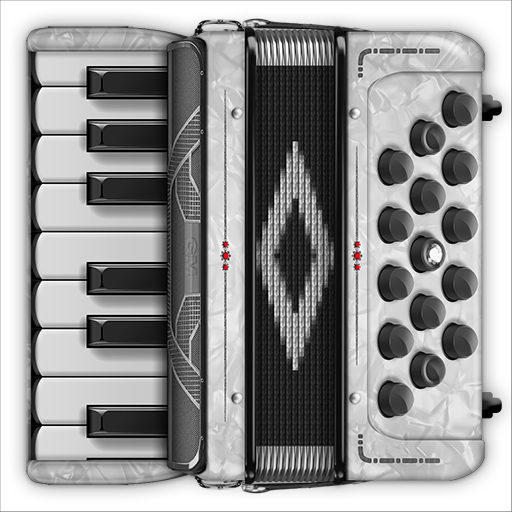
The piano accordion features a keyboard similar to a piano on the right side, making it intuitive for those with piano experience. The left hand operates buttons that produce bass notes and chord accompaniments. This is the most popular type worldwide and works wonderfully for classical, jazz, pop, and folk music.
Button Accordion (Chromatic)
Button accordions use buttons for both hands instead of a piano keyboard. The chromatic button accordion arranges notes in a logical pattern that many find easier for complex passages once mastered. These instruments are common in classical accordion music and Eastern European traditions.
Diatonic Accordion
Diatonic accordions produce different notes when pushing versus pulling the bellows, similar to a harmonica. These are prevalent in folk traditions including Irish, Mexican conjunto, and Cajun music. They’re typically smaller and lighter than chromatic instruments.
📦 Getting Started: Choosing Your First Accordion
Selecting your first accordion requires balancing quality, budget, and musical goals. Avoid the temptation to purchase the cheapest option available, as poorly constructed instruments can hinder learning and discourage progress.
For beginners, a used accordion from a reputable brand often provides better value than a new budget model. Look for established manufacturers like Hohner, Roland, Weltmeister, or Scandalli. A 48-bass piano accordion offers sufficient range for most beginner and intermediate repertoire without being overwhelming.
Physical comfort matters significantly. The accordion should feel balanced when strapped on, neither too heavy nor awkwardly sized for your frame. Children and smaller adults may need youth-sized instruments initially. Always try the instrument before purchasing if possible, or ensure you have a return policy when buying online.
Don’t overlook the importance of proper maintenance. Accordions contain delicate reeds and mechanics that require occasional professional servicing. Budget for this ongoing care when making your purchase decision.
🎓 Essential Skills Every Accordion Student Must Develop
Mastering the accordion requires developing several interconnected skills simultaneously. Understanding these foundational elements helps structure your practice sessions effectively.
Bellows Control and Air Management
The bellows function as the accordion’s lungs, providing the airflow that vibrates the reeds to produce sound. Smooth, controlled bellows motion is fundamental to good tone production and musical phrasing. Beginners often struggle with jerky or inconsistent bellows movement, resulting in uneven volume and tone quality.
Practice opening and closing the bellows without pressing any keys, focusing on steady, controlled motion. The movement should come from your left arm while keeping your wrist flexible. Learn to change bellows direction smoothly at phrase endings, just as a singer breathes between musical phrases.
Right Hand Melody Playing
The right hand carries the melody and should develop finger independence, proper hand position, and accurate note reading. If you’re using a piano accordion, previous piano experience transfers directly. Position your hand so fingers curve naturally over the keys, with your thumb resting near middle C as a reference point.
Start with simple melodies in C major, using primarily white keys. Focus on finger numbers and hand position rather than speed. Scales and simple exercises build muscle memory and familiarity with keyboard geography.
Left Hand Bass and Chord Accompaniment
The left hand operates by touch since you cannot see the buttons while playing. The Stradella bass system, standard on most accordions, arranges bass notes and chords in a logical pattern. The fundamental bass row contains root notes, with chord buttons (major, minor, seventh, and diminished) arranged in adjacent rows.
Learning this system requires patience and tactile memory. Begin by locating the reference button (usually marked with a dimple) corresponding to C. Practice finding bass notes and their corresponding major chords without looking. Start with simple bass-chord patterns in common keys before attempting complex progressions.
🗓️ Creating an Effective Practice Routine
Consistent, focused practice drives accordion proficiency far more effectively than sporadic marathon sessions. Quality trumps quantity when building musical skills.
Aim for daily practice sessions of 30-45 minutes when starting. Divide this time strategically: spend 10 minutes on technical exercises (scales, bellows control, bass patterns), 20 minutes on repertoire pieces, and 10 minutes on sight-reading or exploring new music.
Set specific, achievable goals for each practice session. Rather than “practice the waltz,” aim for “play the first eight measures of the waltz at 60 BPM without mistakes.” This focused approach yields measurable progress and maintains motivation.
Record yourself regularly. Listening objectively to your playing reveals areas needing improvement that you might miss while concentrating on performance. It also documents progress, providing encouraging evidence of your development over time.
📚 Learning Resources and Methods
Multiple pathways exist for learning accordion, each with distinct advantages. Your learning style, budget, and local resources will influence which approach works best.
Private Instruction
Working with a qualified accordion teacher provides personalized feedback, structured curriculum, and accountability. A good teacher identifies technical issues early, preventing bad habits that become difficult to correct later. They can also introduce you to accordion communities and performance opportunities in your area.
Finding accordion teachers can be challenging in some regions. Check with local music schools, search online teacher directories, or contact accordion associations for referrals. Some teachers offer online lessons via video conferencing, expanding your options considerably.
Self-Study with Method Books
Quality method books guide self-directed learners through progressive technical and musical development. Popular options include the Palmer-Hughes Accordion Course, Accordéon débutant by Manu Maugain, and various books specific to particular accordion types or musical styles.
Supplement method books with online video tutorials that demonstrate proper technique visually. Seeing how experienced players hold the instrument, move the bellows, and position their hands clarifies written instructions.
Digital Learning Tools and Apps
Modern technology offers innovative practice aids for accordion students. Mobile apps can help you practice accordion fingering patterns, learn bass button layouts, and even simulate the instrument for practicing away from your physical accordion. These tools provide convenient supplementary practice opportunities during travel or when your accordion isn’t accessible.
Online forums and social media groups connect you with fellow learners and experienced players worldwide. These communities offer advice, encouragement, and answers to technical questions as they arise during your learning journey.
🎼 Building Your Repertoire Strategically
Selecting appropriate pieces for your skill level accelerates learning while maintaining enjoyment. Playing music you love sustains motivation through challenging practice periods.
Begin with folk tunes and simple classical pieces that use limited range and straightforward bass patterns. Songs like “Ode to Joy,” “Amazing Grace,” or traditional folk melodies provide musically satisfying material while reinforcing fundamental techniques.
Gradually increase complexity by adding pieces with wider range, more intricate rhythms, and diverse dynamics. Balance your repertoire across different musical styles to develop versatility. Include at least one piece you’re passionate about, even if it’s slightly above your current level, to inspire persistent practice.
Don’t rush through pieces. Thoroughly learning a smaller repertoire develops deeper musicianship than superficially playing many pieces. Master each selection to performance quality before moving on, ensuring technical security and musical polish.
⚡ Common Challenges and How to Overcome Them
Physical Fatigue and Discomfort
The accordion’s weight and playing position can cause shoulder, back, and arm fatigue, especially for beginners. Ensure your straps are properly adjusted to distribute weight evenly across both shoulders. Take regular breaks during practice to prevent overuse injuries.
Strengthen supporting muscles through simple exercises. Shoulder rolls, arm stretches, and core strengthening activities help your body adapt to the instrument’s physical demands.
Coordinating Both Hands Independently
Playing different parts simultaneously with each hand challenges beginners accustomed to instruments where hands work together. Practice each hand separately until you can play its part reliably. Then combine them slowly, gradually increasing tempo as coordination improves.
Use a metronome to maintain steady tempo while building coordination. Start extremely slowly—slower than feels necessary. Clean, accurate playing at slow tempos develops the muscle memory that enables faster playing later.
Reading Bass Notation
The bass clef can intimidate students without prior musical training. Dedicate time specifically to bass clef reading separate from accordion practice. Use flashcards or music reading apps to drill note recognition until it becomes automatic.
Remember that left-hand accordion notation often uses simplified notation showing chord symbols rather than individual notes. Learning this system accelerates your ability to play accompaniments from sheet music.
🌟 Advancing Your Skills Beyond the Basics
Once you’ve established fundamental technique, expanding your musical horizons keeps learning fresh and exciting. Explore different musical genres to discover new expressive possibilities with your accordion.
Jazz accordion requires understanding chord voicings, improvisation, and swing rhythm. Classical accordion literature includes transcriptions of Bach, Scarlatti, and other composers, plus original works specifically composed for accordion. World music traditions offer rhythmically complex and melodically rich material that challenges and rewards dedicated study.
Consider joining or forming an accordion ensemble or band. Playing with others develops ensemble skills, exposes you to different repertoire, and creates social connections through shared musical experiences. Many regions have accordion clubs that welcome players of all levels.
Performance opportunities, even informal ones, accelerate learning by creating goals and exposing you to the unique pressures of public playing. Start with playing for supportive friends and family, then progress to open mics, community events, or accordion gatherings as confidence grows.
🔧 Maintaining Your Accordion for Longevity
Proper care extends your accordion’s life and maintains optimal playing condition. Store your instrument in its case when not in use, protecting it from temperature extremes, humidity fluctuations, and physical damage.
Keep your accordion clean by wiping down the keyboard and exterior with a soft, slightly damp cloth. Avoid using chemical cleaners that might damage finishes or seep into the internal mechanisms.
Have your accordion professionally serviced every few years, or more frequently if you play extensively. Technicians tune reeds, check for air leaks, lubricate moving parts, and address minor issues before they become major problems. This preventive maintenance proves far more cost-effective than major repairs resulting from neglect.

🎉 The Joy of Musical Expression Through Accordion
Learning the accordion represents more than acquiring a new skill—it opens doors to cultural traditions, personal expression, and community connection. The journey involves challenges, but the rewards of creating beautiful music make every practice hour worthwhile.
Your progress won’t always follow a straight upward trajectory. Some concepts click immediately while others require persistent effort. Plateaus are normal parts of skill development. During these times, vary your routine, explore different musical styles, or return to favorite pieces to remember why you started this journey.
Celebrate small victories along the way. Successfully playing a tricky passage, mastering a new chord progression, or performing for others—no matter how informally—are achievements worth acknowledging. These milestones mark your transformation from beginner to capable musician.
The accordion community worldwide welcomes newcomers enthusiastically. Attend festivals, workshops, and gatherings when possible. These events provide inspiration, education, and the joy of experiencing this remarkable instrument surrounded by others who share your passion.
Remember that every accomplished accordionist was once exactly where you are now—at the beginning, learning fundamental skills, and discovering the instrument’s potential. With patience, consistent practice, and genuine love for music, you’ll develop abilities that currently seem impossible. The accordion awaits your unique musical voice, ready to amplify your creativity and bring joy to yourself and your listeners for years to come.
