
Anúncios
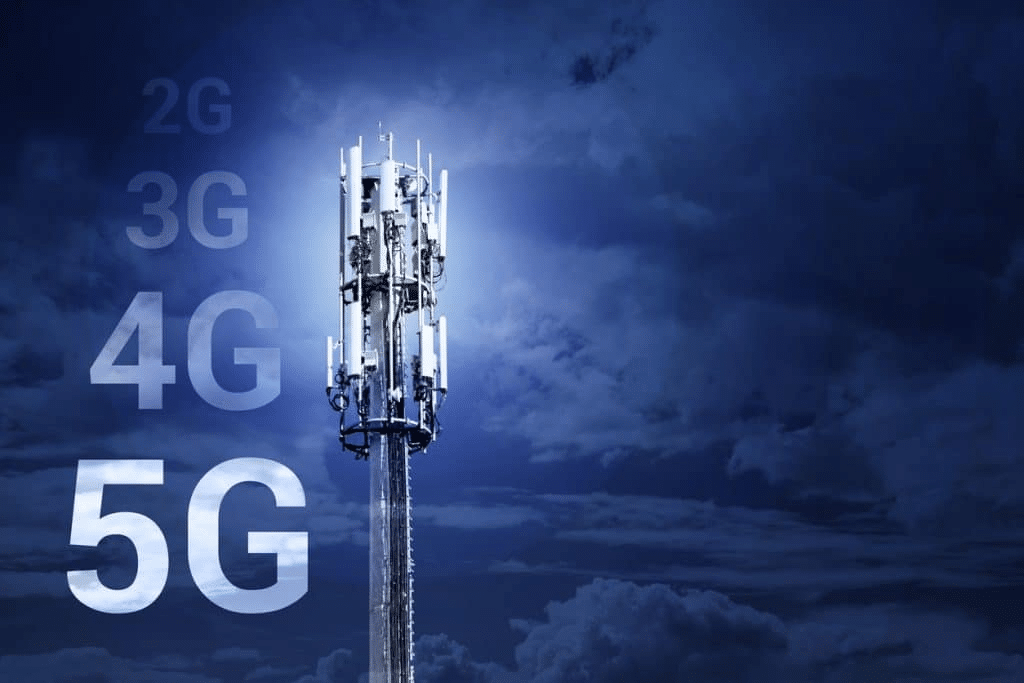
5G technology is revolutionizing mobile connectivity worldwide, offering lightning-fast speeds, reduced latency, and enhanced network reliability for smartphone users everywhere.


As 5G networks continue expanding across cities and countries, many smartphone owners are eager to unlock this next-generation connectivity. However, simply owning a 5G-capable device doesn’t automatically mean you’re utilizing the network. Activation often requires specific settings adjustments and awareness of your carrier’s coverage area.
Anúncios
Whether you’re streaming high-definition content, engaging in mobile gaming, or simply browsing the web, 5G connectivity transforms your mobile experience. This comprehensive guide walks you through everything needed to successfully activate and optimize 5G on your smartphone, regardless of your device brand or mobile carrier.
📱 Understanding 5G Technology Before Activation
Before diving into activation steps, it’s essential to grasp what 5G actually means for your mobile experience. The fifth generation of wireless technology represents a significant leap forward from 4G LTE networks, delivering download speeds that can exceed 1 Gbps in ideal conditions.
Anúncios
5G networks operate on three distinct frequency bands: low-band, mid-band, and high-band (mmWave). Low-band frequencies offer widespread coverage similar to 4G but with moderately improved speeds. Mid-band strikes a balance between speed and coverage, while high-band mmWave delivers exceptional speeds over shorter distances, typically in urban centers.
Understanding these distinctions helps set realistic expectations. Your actual 5G experience depends heavily on which band your carrier deploys in your area and how your device connects to those networks.
🔍 Checking If Your Device Supports 5G
Not all smartphones can access 5G networks, even if your carrier offers coverage. Device compatibility is the first critical checkpoint before attempting activation. Most flagship phones released after 2020 include 5G capability, but mid-range and budget devices may vary.
To verify 5G support on your device, check your phone’s technical specifications in the settings menu. On most Android devices, navigate to Settings > About Phone > Model Number, then search that model online to confirm 5G compatibility. iPhone users with iPhone 12 or newer models automatically have 5G capability built-in.
Additionally, some devices support only specific 5G bands. A phone might work with low-band and mid-band frequencies but lack mmWave support. This limitation doesn’t prevent 5G usage entirely but may restrict access to the fastest speeds in certain locations.
🌐 Verifying 5G Coverage in Your Area
Even with a compatible device, 5G activation proves futile without network coverage in your location. Major carriers continuously expand their 5G infrastructure, but availability remains uneven across regions.
Most mobile carriers provide online coverage maps showing 5G availability by address or zip code. These interactive tools distinguish between different 5G types (nationwide vs. ultra-wideband) and help determine realistic expectations for your specific area.
Keep in mind that initial coverage maps sometimes overestimate actual signal strength. Buildings, weather conditions, and network congestion can affect real-world performance. Checking coverage maps gives a baseline understanding but doesn’t guarantee consistent connectivity everywhere within the highlighted zones.
📲 Step-by-Step 5G Activation for Android Devices
Android smartphones offer various pathways to enable 5G, with slight variations depending on manufacturer and Android version. The following method works for most Samsung, Google Pixel, OnePlus, and other Android devices running recent operating system versions.
Begin by opening your phone’s Settings app and locating the Connections or Network & Internet section. The exact terminology varies by manufacturer but typically appears near the top of the settings menu with recognizable icons.
Within the network settings, tap on Mobile Networks or Cellular Networks. This section contains controls for your mobile data connection, including preferred network types and data roaming options.
Look for an option labeled Network Mode, Preferred Network Type, or something similar. Tapping this reveals available network options, which may include combinations like 5G/4G/3G/2G (auto connect), 4G/3G/2G, or 4G only.
Select the option that includes 5G at the beginning of the list. Common labels include “5G/LTE/3G/2G (auto connect)” or simply “5G/LTE.” This setting allows your device to prioritize 5G networks when available while falling back to 4G in areas without 5G coverage.
After selecting the appropriate network mode, exit settings and observe your status bar. If 5G coverage exists in your location, a 5G indicator should appear within seconds, replacing the previous 4G or LTE icon.
🔧 Troubleshooting Common Android Activation Issues
If the 5G indicator doesn’t appear after changing network settings, several factors might be preventing activation. First, restart your device completely to ensure network settings refresh properly. This simple step resolves many connectivity issues.
Verify that airplane mode is disabled and that mobile data is turned on. These basic settings sometimes get toggled accidentally, preventing all cellular connections including 5G.
Check if your carrier requires a specific plan or subscription to access 5G networks. Some providers limit 5G to premium tiers, requiring an account upgrade before activation becomes possible.
Ensure your SIM card is 5G-compatible. Older SIM cards may need replacement even if your device and plan support 5G. Contact your carrier to confirm SIM compatibility and request a new card if necessary.
🍎 Activating 5G on iPhone Models
iPhone users with compatible models (iPhone 12 and newer) follow a streamlined process for 5G activation thanks to iOS’s unified interface. Apple has integrated 5G controls directly into cellular settings with user-friendly options.
Open the Settings app and tap Cellular or Mobile Data, depending on your region. This section displays all cellular-related controls, including data usage statistics and carrier information.
Select Cellular Data Options or Mobile Data Options. Within this submenu, you’ll find Voice & Data, which controls your preferred network type for cellular connections.
Tap Voice & Data to reveal available network options. iPhones typically offer three choices: 5G On, 5G Auto, and LTE. Each option serves different purposes based on your priorities.
Selecting “5G On” forces your iPhone to use 5G networks whenever available, maximizing speed regardless of battery impact. This option delivers the fastest possible connection but may drain battery more quickly.
“5G Auto” represents Apple’s intelligent middle ground. This mode activates 5G when it provides significant speed advantages while automatically switching to LTE when 5G offers marginal benefits. This balanced approach conserves battery life while maintaining strong performance.
Choosing “LTE” disables 5G entirely, prioritizing battery conservation over speed. This option makes sense in areas with weak 5G coverage or when battery preservation is critical.
⚡ Optimizing 5G Performance on iPhone
Beyond basic activation, iPhone users can fine-tune additional settings to optimize their 5G experience. Data Mode settings, found within the same Cellular Data Options menu, control how much data your iPhone uses over 5G.
The “Allow More Data on 5G” option enables higher-quality video streaming, FaceTime calls, and automatic updates over cellular connections. While this maximizes the 5G experience, it can consume data allowances rapidly.
“Standard” data mode balances quality and consumption, suitable for most users with moderate data plans. “Low Data Mode” restricts background activities and reduces streaming quality, ideal for limited data plans or when approaching monthly caps.
🔋 Managing Battery Life with 5G Activated
One common concern about 5G activation involves battery consumption. Early 5G implementations did drain batteries faster than 4G connections, but recent improvements have significantly reduced this gap.
Modern smartphones include intelligent network switching that automatically shifts between 5G and 4G based on usage patterns and network conditions. This dynamic behavior helps preserve battery life without manually toggling network modes.
If battery life becomes problematic after 5G activation, consider using your phone’s adaptive network mode (5G Auto on iPhone or similar options on Android). These settings provide 5G speeds when beneficial while conserving battery during routine tasks.
Monitor which apps consume the most data and battery. Streaming services, social media apps, and video conferencing platforms naturally use more resources on faster networks. Adjusting streaming quality settings within these apps can significantly extend battery life.
📊 Testing Your 5G Connection Speed
After successfully activating 5G, testing your connection speed confirms everything is working properly and helps set performance expectations. Numerous speed test applications accurately measure download speeds, upload speeds, and latency.
Popular options include Speedtest by Ookla, FAST by Netflix, and OpenSignal. These apps provide detailed metrics showing how your 5G connection performs compared to typical speeds in your area.
When conducting speed tests, perform multiple tests at different times and locations. 5G performance varies significantly based on network congestion, distance from towers, and environmental factors. Multiple data points provide a more accurate picture of typical performance.
Remember that advertised maximum speeds represent ideal conditions rarely achieved in real-world usage. Typical 5G speeds range from 100 Mbps to 400 Mbps on mid-band networks, with mmWave potentially exceeding 1 Gbps in perfect conditions.
🛠️ Resolving Common 5G Connectivity Problems
Even with proper activation, users occasionally experience 5G connectivity issues. Understanding common problems and their solutions helps maintain optimal network performance.
Intermittent 5G connectivity often results from being on the edge of coverage areas. Your phone constantly switches between 5G and 4G as signal strength fluctuates, causing temporary disruptions. This behavior is normal in developing 5G markets and typically improves as infrastructure expands.
If 5G speeds seem slower than expected, network congestion might be the culprit. Like any shared resource, 5G networks can become congested during peak usage times. Try testing speeds during off-peak hours to determine if congestion affects your experience.
Software updates frequently include network improvements and bug fixes. Ensure your device runs the latest operating system version and that carrier settings are up to date. Both Android and iPhone devices periodically receive carrier updates that optimize 5G performance.
🔄 When to Contact Your Carrier
Some activation issues require carrier intervention. If you’ve verified device compatibility, confirmed coverage, and properly configured settings but still can’t access 5G, contacting customer support becomes necessary.
Carriers can verify that your account includes 5G access, confirm whether your SIM card supports the technology, and check for any network-side restrictions preventing connectivity. They may also identify local outages or maintenance affecting 5G availability.
When contacting support, have your account information, device model, and specific error messages ready. This information helps representatives diagnose issues more efficiently and provide targeted solutions.
🌟 Maximizing Your 5G Experience Daily
With 5G successfully activated, optimizing daily usage ensures you benefit fully from enhanced connectivity. Certain activities particularly shine on 5G networks, transforming previously frustrating experiences into seamless interactions.
Video streaming reaches new heights on 5G, with 4K and even 8K content loading almost instantly. Adjust streaming app settings to higher quality options to truly appreciate 5G bandwidth. Services like YouTube, Netflix, and Disney+ offer quality settings that adapt to available speeds.
Cloud gaming services like Xbox Cloud Gaming, GeForce Now, and PlayStation Remote Play perform dramatically better on 5G networks. Reduced latency and increased bandwidth minimize lag and improve visual quality, making mobile gaming genuinely competitive with home console experiences.
Video conferencing applications benefit immensely from 5G’s low latency and high upload speeds. Services like Zoom, Microsoft Teams, and Google Meet deliver crisper video and more reliable connections, making remote work and family calls more enjoyable.
Large file downloads and uploads complete in fractions of the time required on 4G. Whether downloading apps, syncing cloud storage, or uploading photos and videos, 5G dramatically reduces waiting time.
🔐 Security Considerations on 5G Networks
While enjoying faster speeds, maintaining security awareness remains essential. 5G networks incorporate improved security protocols compared to previous generations, but users still need to practice safe mobile habits.
Always ensure websites use HTTPS encryption, indicated by a padlock icon in your browser. This remains important regardless of network type, protecting sensitive information from interception.
Use VPN services when accessing sensitive information over cellular connections. While 5G itself includes robust security features, VPNs add an extra encryption layer, particularly valuable when accessing financial services or work resources.
Keep your device’s operating system and apps updated. Security patches frequently address vulnerabilities that could be exploited over any network connection, including 5G.
🚀 Future-Proofing Your Mobile Experience
Activating 5G today positions you for continued improvements as networks evolve. Carriers continuously upgrade infrastructure, expanding coverage and increasing speeds in existing service areas.
Standalone 5G (SA) networks represent the next evolution, offering even lower latency and better performance than current non-standalone implementations. As carriers transition to SA architecture, compatible devices automatically benefit without requiring manual intervention.
New 5G applications continue emerging, from augmented reality experiences to real-time language translation and advanced navigation services. Having 5G activated ensures you’re ready to explore these innovations as they become available.
The investment in 5G capability today extends your device’s useful lifespan. As 4G networks eventually wind down (similar to how 3G has largely disappeared), 5G-enabled devices remain relevant and functional for years to come.
💡 Making the Most of Your 5G Connection
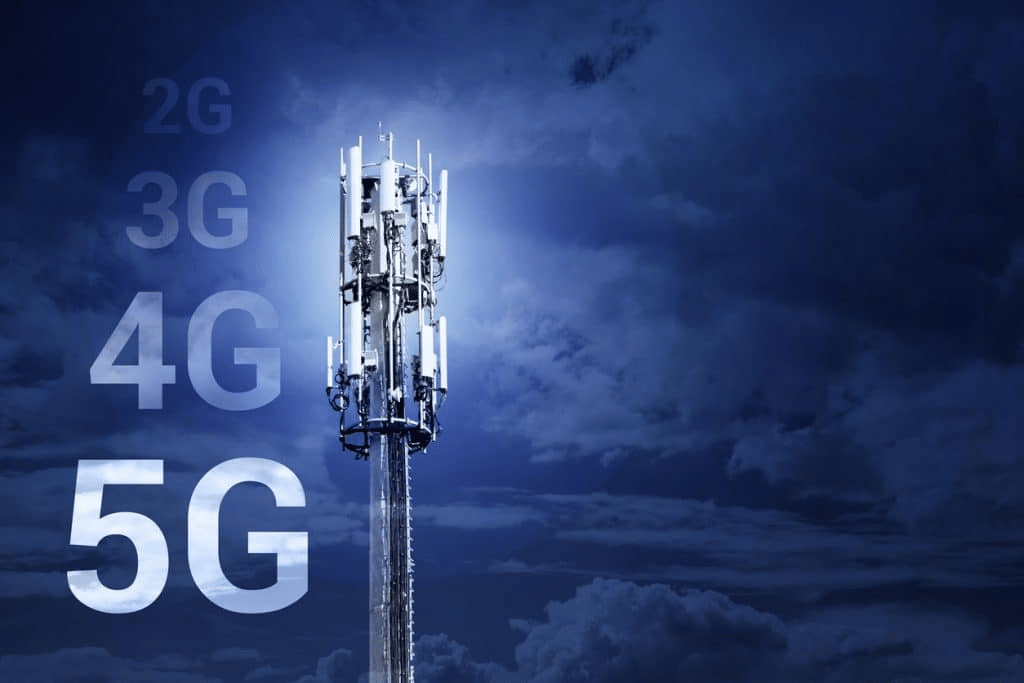
Successfully activating 5G opens exciting possibilities for mobile connectivity, but the technology’s full potential unfolds through thoughtful usage and optimization. Understanding your device’s capabilities, your carrier’s network characteristics, and how different settings impact performance allows you to tailor the experience to your specific needs.
Remember that 5G technology continues evolving rapidly. Coverage expands, speeds improve, and new applications emerge regularly. Staying informed about updates from your device manufacturer and mobile carrier ensures you benefit from ongoing enhancements.
Whether you prioritize blazing-fast downloads, seamless streaming, or reliable video calls, 5G delivers transformative improvements over previous generations. Taking the time to properly activate and optimize these settings ensures you experience mobile connectivity at its absolute best.
Embrace the 5G era with confidence, knowing you’ve configured your device correctly and understand how to maximize this powerful technology. The future of mobile connectivity is here, and you’re now fully equipped to enjoy everything it offers.
